Early Signs of Cancer in Children Parents Should Not Ignore

Early Signs of Cancer in Children Parents Should Not Ignore

No parent ever expects to think about cancer when it comes to their child.

And the truth is childhood cancers are rare. But when they do occur, early detection makes a life-changing difference.

The challenge? The early signs are often subtle and easily mistaken for common illnesses.

Why Early Signs Are Easy to Miss

Children fall sick oftenfever, fatigue, infectionsit’s part of growing up.
But sometimes, when symptoms persist longer than expected or don’t respond to usual treatment, they need a closer look.

Warning Signs Parents Should Watch For

Not every symptom means cancerbut patterns matter.

Pay attention if your child has:

  • Persistent fever without clear cause
  • Unusual tiredness or weakness
  • Unexplained weight loss
  • Frequent infections
  • Swelling or lumps (neck, abdomen, or elsewhere)
  • Bone or joint pain that doesn’t go away
  • Easy bruising or bleeding

These signs don’t confirm cancer but they shouldn’t be ignored either.

Trust Your Instincts

As a parent, you know when something feels “off.”
If symptoms are persistent, unusual, or worsening, it’s always better to check early rather than wait.

What Happens If You Consult Early?

Early evaluation helps:

  • Rule out serious conditions
  • Begin treatment sooner if needed
  • Improve outcomes significantly

A Message for Parents

Awareness is not fearit’s protection.Most symptoms turn out to be harmless, but the ones that aren’t need early attention.

Frequently Asked Questions

1. Is cancer common in children?

No, it’s rarebut early detection is crucial.

2. Do these symptoms always mean cancer?

No, many are due to common illnesses.

3. When should I consult a doctor?

If symptoms persist or don’t improve with routine care.

Disclaimer: The content shared on this page is for informational purposes and not for promotional use.

Missed Period but Not Pregnant: Possible Reasons

Missed Period but Not Pregnant: Possible Reasons

Missing a period can be worrying, especially when pregnancy is ruled out. Many women experience a missed period but not pregnant, and in most cases, it is linked to temporary hormonal changes or lifestyle factors. Understanding the possible reasons can ease anxiety and help you know when medical attention may be needed. At Little Stars & She Hospitals, we believe that awareness and timely evaluation are key to maintaining menstrual health.

What is Missed Period but Not Pregnant: Possible Reasons

A missed period but not pregnant refers to the absence of menstruation despite a negative pregnancy test. The medical term for this condition is amenorrhea. It can be short-term, such as missing one cycle, or long-term if periods stop for several months. While occasional delays are common, repeated missed periods may indicate an underlying health issue that requires evaluation.

Missed Period but Not Pregnant

Causes / Risk Factors

Several factors can lead to a missed period without pregnancy. Common possible reasons include:

Hormonal Imbalance

Hormones control the menstrual cycle. Any imbalance can delay or stop periods temporarily and Cysts in the ovary.

Stress and Emotional Factors

Physical or emotional stress affects the brain signals that regulate menstruation, often leading to delayed or missed periods.

Sudden Weight Changes

Rapid weight loss, weight gain, or eating disorders can disrupt hormonal balance and ovulation.

Excessive Physical Activity

Intense exercise routines may suppress the hormones responsible for regular periods.

Polycystic Ovary Syndrome (PCOS)

PCOS is a common condition that causes irregular or missed periods due to ovulation issues.

Thyroid Disorders

An overactive or underactive thyroid can interfere with menstrual regularity.

Perimenopause

Women approaching menopause may notice irregular cycles or missed periods due to natural hormonal changes.

Missed Period but Not Pregnant

Symptoms & Signs

A missed period may occur alone or with other symptoms, such as:

  • Irregular menstrual cycles
  • Acne or increased facial hair
  • Sudden weight changes
  • Fatigue or low energy
  • Mood swings or anxiety
  • Hair thinning or hair fall

The presence of additional symptoms may provide clues about the underlying cause.

Diagnosis Overview

Diagnosis focuses on identifying why periods are delayed or absent. Doctors may evaluate:

  • Menstrual history and lifestyle factors
  • Stress levels and recent weight changes
  • Hormonal patterns
  • Thyroid function
  • Ovarian health

With Ultrasound and blood tests Early diagnosis helps differentiate between temporary changes and conditions requiring long-term care.


Care & Support Approach

Managing a missed period but not pregnant often involves addressing the root cause rather than quick fixes. A supportive care approach includes:

  • Maintaining a balanced diet
  • Managing stress through relaxation techniques
  • Following healthy exercise routines
  • Tracking menstrual cycles regularly
  • Monitoring hormonal health

Medical guidance ensures safe and appropriate management tailored to individual needs.

Why Early Awareness Matters

Ignoring repeated missed periods can delay the diagnosis of underlying conditions. Early awareness helps:

  • Prevent long-term hormonal complications
  • Maintain reproductive health
  • Improve overall well-being
  • Reduce anxiety related to menstrual irregularities

Understanding your body’s signals empowers you to take timely action.

Frequently Asked Questions:


1.Can stress alone cause a missed period but not pregnant?

Yes. High stress levels can disrupt hormone signals and delay or stop ovulation temporarily.

2. Is missing one period a cause for concern?

Missing one period occasionally is common. Concern arises if periods are missed repeatedly.

3. Can PCOS cause missed periods without pregnancy?

Yes. PCOS commonly affects ovulation, leading to irregular or absent periods.

4. Can thyroid problems delay periods?

Both overactive and underactive thyroid conditions can affect menstrual regularity.

5. When should I seek medical advice for missed periods?

If periods are missed for more than two consecutive cycles or accompanied by other symptoms, evaluation is recommended.

Experiencing a missed period but not pregnant is common and often linked to hormonal or lifestyle factors. While occasional delays may not be serious, repeated missed periods should not be ignored. Understanding the possible reasons and recognizing early signs can help protect long-term reproductive health. At Little Stars & She Hospitals, patient education and early awareness play an essential role in supporting women’s menstrual well-being.


First Trimester Care: Do’s and Don’ts for a Healthy Pregnancy

First Trimester Care: Do’s and Don’ts for a Healthy Pregnancy

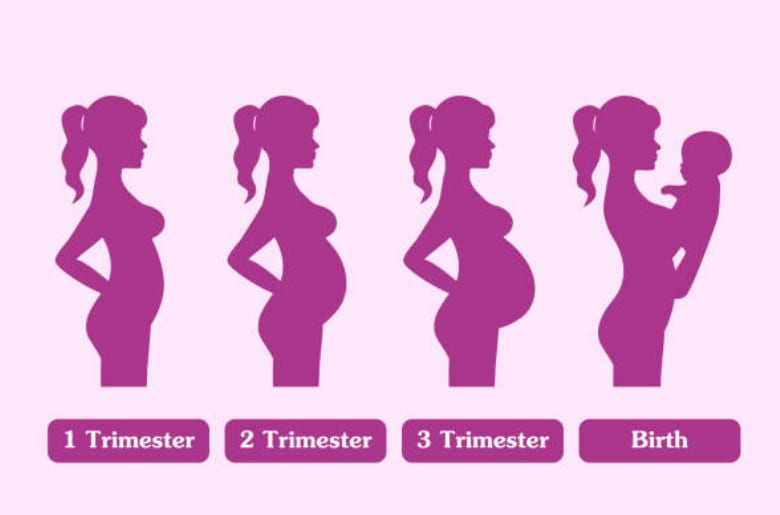
The first trimester phase care plays a crucial role in ensuring a healthy pregnancy. During these initial weeks, your body goes through rapid physical and hormonal changes that support your baby’s early development. Understanding the do’s and don’ts of first trimester care helps reduce risks, ease symptoms, and promote a safe foundation for pregnancy. With the right awareness and support, most women can navigate this phase confidently and comfortably.

What is First Trimester Care: Do’s and Don’ts for a Healthy Pregnancy?

First Trimester Car

First trimester care refers to the precautions, lifestyle habits, and health awareness needed during the first 12 weeks of pregnancy. This period is vital because major organs of the baby begin forming, and the body adapts to pregnancy hormones.

Following proper first trimester care includes maintaining healthy habits, avoiding harmful practices, monitoring symptoms, and seeking timely medical guidance when needed. Small changes during this phase can make a significant difference in pregnancy outcomes.


Causes / Risk Factors

First Trimester Car

Certain factors may increase discomfort or risks during the first trimester. These include:

  • Common Risk Factors
  • Poor nutrition or dehydration
  • High stress levels or lack of rest
  • Previous pregnancy complications
  • Lifestyle habits such as smoking or alcohol intake
  • Untreated medical conditions like diabetics, high sugars, blood pressure and thyroid

While not all risk factors can be controlled, awareness allows timely action and better care.

Symptoms & Signs

First Trimester Car

Early pregnancy symptoms vary from woman to woman. Many are normal and temporary.

Common First Trimester Symptoms

  • Nausea or vomiting
  • Fatigue and sleepiness
  • Breast tenderness
  • Frequent urination
  • Mood swings
  • Mild abdominal discomfort
  • When to Be Alert
  • Severe or persistent pain
  • Heavy bleeding
  • Continuous vomiting
  • Dizziness or fainting

Such signs should never be ignored and require medical attention.


Diagnosis Overview

First Trimester Car

First trimester diagnosis focuses on confirming pregnancy and assessing early development.

What Usually Happens

  • Confirmation of pregnancy
  • Estimation of gestational age
  • Monitoring early fetal growth
  • Basic health assessments of the mother

Early diagnosis helps identify potential concerns and supports appropriate care planning.

Care & Support Approach

Proper first trimester care balances physical health, emotional well-being, and preventive measures.

Do’s for a Healthy Pregnancy
  • Eat balanced, nutritious meals
  • Stay hydrated throughout the day
  • Get enough rest and sleep
  • Maintain gentle physical activity if advised
  • Manage stress through relaxation techniques
  • Attend scheduled check-ups
Don’ts to Avoid
  • Skipping meals
  • Excess caffeine intake
  • Smoking or alcohol consumption
  • Self-medication
  • Heavy physical exertion
  • Ignoring unusual symptoms

Following these do’s and don’ts supports both maternal health and early fetal development.


Why Early Awareness Matters

Early awareness during the first trimester helps prevent complications before they become serious. Understanding body changes, recognizing warning signs, and adopting healthy habits can lower pregnancy risks and provide reassurance.

Being informed empowers expecting mothers to make confident decisions, seek timely help, and enjoy a smoother pregnancy journey.

Frequently Asked Questions:

What is the most important care during the first trimester?

Balanced nutrition, adequate rest, hydration, and avoiding harmful habits are key aspects of first trimester care.

Is nausea normal in early pregnancy?

Yes, nausea is common during the first trimester and usually improves as pregnancy progresses.

What should be avoided in the first trimester of pregnancy?

Alcohol, smoking, self-medication, excessive caffeine, and physical strain should be avoided.

Can stress affect early pregnancy?

High stress levels may impact overall well-being. Managing stress is important for a healthy pregnancy.

When should I seek medical help during the first trimester?

Seek medical guidance if you experience heavy bleeding, severe pain, persistent vomiting, or fainting.

Conclusion

The first trimester care do’s and don’ts for a healthy pregnancy form the foundation for a safe and positive journey ahead. By understanding early changes, following healthy practices, and staying alert to warning signs, expecting mothers can protect both their well-being and their baby’s development. Early care, awareness, and support make the first trimester a more confident and reassuring experience.

Recurrent urine infections in children Hyderabad

Recurrent urine infections in children Hyderabad

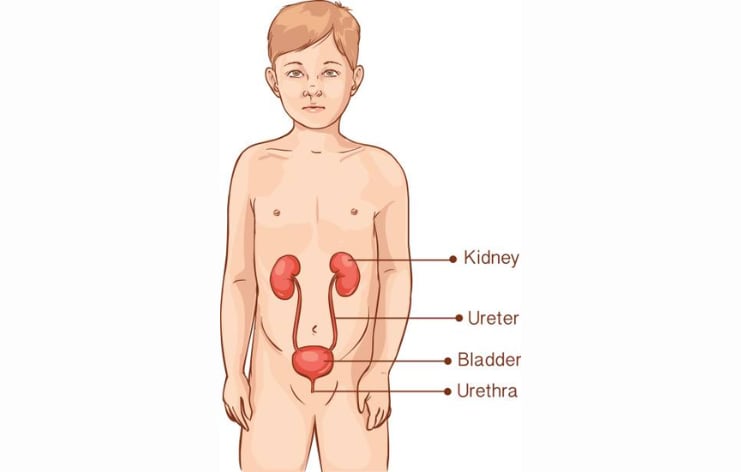
If your child keeps getting urine infections, it can be stressful and confusing. Urinary tract infections (UTIs) happen when bacteria enter the urinary system. While a single infection is common, repeated infections need attention.

Frequent UTIs can affect your child’s comfort, sleep, school routine, and overall well-being. The good news is that with the right care and simple lifestyle changes, most children recover well and stay healthy.

Take expert care from Dr. Prabhu Karunakaran, an exclusive and dedicated Pediatric Urologist in Hyderabad at Little Stars & She Hospitals, offering advanced, child-focused treatment with precision, compassion, and trust.

Causes / What causes it

There isn’t always just one reason. In many children, Recurrent urine infections in children Hyderabad a combination of factors can lead to repeated urine infections.

Common causes include:

  • Not drinking enough water
  • Holding urine for too long
  • Poor toilet hygiene (especially in young girls)
  • Constipation
  • Not emptying the bladder completely
  • Urinary tract differences present from birth
  • Urine flowing backward toward the kidneys (reflux)

Quick takeaway: Most causes are treatable once identified early.

Recurrent urine infections in children Hyderabad

Symptoms to watch for

  • Symptoms can be mild or easily missed, especially in younger children.

    Watch for:

    • Fever without an obvious reason
    • Lower abdominal or back pain
    • Foul-smelling or cloudy urine
    • Bedwetting in a child who was previously dry
    • Irritability or reduced appetite in younger children Recurrent urine infections in children Hyderabad

    Tip: If your child has repeated unexplained fevers, a urine test may be needed.

    Pain or burning while passing urine Frequent urge to urinate

Diagnosis (how doctors investigate)

If infections keep coming back, your doctor may suggest a few simple tests:

  • Urine test to confirm infection
  • Urine culture to identify the exact bacteria
  • Ultrasound to check kidneys and bladder
  • Additional tests only if required in recurrent cases

These tests help find the cause and guide proper treatment.

Recurrent urine infections in children Hyderabad

Treatment options

Treatment depends on how often infections occur and the underlying cause.

Medications

  • Antibiotics to clear the infection
  • In some cases, low-dose medicines to prevent recurrence

Daily care

  • Encourage your child to pass urine regularly
  • Ensure good hydration
  • Treat constipation early

When needed

  • Further treatment if there is an underlying structural issue

Reassurance: With timely care, most children respond quickly and recover completely.

Recurrent urine infections in children Hyderabad

Prevention or management tips

Simple habits at home can reduce the chances of infection coming back.

Healthy habits

  • Encourage drinking plenty of water
  • Remind your child not to hold urine
  • Promote regular bathroom breaks

Hygiene

  • Teach proper cleaning after toilet use
  • For girls, wiping from front to back is important

Diet

  • Include fruits and fiber to prevent constipation
  • Keep meals balanced and simple

Support your child

  • Stay calm and supportive
  • Avoid blaming or scolding

Mini takeaway: Small daily changes can prevent repeated infections.

When to see a doctor

Consult a doctor if your child has:

  • Fever along with urinary symptoms
  • Repeated infections
  • Pain in the abdomen or back
  • Vomiting or poor feeding
  • Blood in urine

Early care helps prevent complications and keeps your child comfortable Recurrent urine infections in children Hyderabad

Interested to know how these conditions are treated after diagnosis? Here are the most effective, personalized options offered at our hospital.

Repeated urine infections can be worrying, but they are manageable. With the right guidance and care, your child can stay healthy and active. If you notice recurring symptoms, it’s best to consult a pediatric specialist in Hyderabad for proper evaluation and treatment.

Frequently Asked Questions:

1.Are repeated urine infections common in children?

Yes, occasional UTIs are common in children, especially in young girls. However, if infections happen frequently, it’s important to identify the underlying cause and treat it early.

2. Can poor hygiene really cause urine infections?

Yes. Improper toilet hygiene can allow bacteria to enter the urinary tract. Teaching correct habits like wiping front to back can significantly reduce the risk.

3. How much water should my child drink daily?

It depends on age, but generally:

  • Toddlers: 1–1.5 liters/day
  • School-age children: 1.5–2 liters/day

Proper hydration helps flush out bacteria from the urinary system.

4. Is bedwetting linked to urine infections?

Sometimes, yes. A child who was previously dry at night and suddenly starts bedwetting may have a urinary infection and should be evaluated.

5. Can constipation cause urine infections?

Yes, constipation is a very common hidden cause. A full bowel can press on the bladder and prevent it from emptying completely, increasing infection risk.

6. Do recurrent UTIs damage the kidneys?

If left untreated or ignored, repeated infections can affect the kidneys over time. Early diagnosis and proper treatment help prevent complications.

Trust your child’s urological health in the expert hands of Dr. Prabhu Karunakaran at Little Stars & She Hospitals where compassionate care meets specialized excellence.

White Discharge: What’s Normal and What’s Not?White DischargeWhite Discharge: What’s Normal and What’s Not?

White Discharge: What’s Normal and What’s Not?White DischargeWhite Discharge: What’s Normal and What’s Not?

White discharge is a common experience for many women and girls. In most cases, it is completely normal and a sign that the body is functioning well. However, changes in color, smell, texture, or amount can sometimes indicate an underlying issue. Understanding white discharge: what’s normal and what’s not can help you feel more confident about your intimate health and know when to seek medical advice.

This guide explains the causes, symptoms, and importance of early awareness in a clear, reassuring way.


What is White Discharge: What’s Normal and What’s Not?

White discharge, also known as vaginal discharge, is a fluid released by the vagina to keep it clean and protected.

Normal white discharge usually appears:

  • Clear to milky white
  • Mild or odorless
  • Sticky or slightly stretchy
  • Changing throughout the menstrual cycle

 It often increases before ovulation, during pregnancy, or before periods. This type of discharge helps prevent infections and maintains a healthy vaginal environment.

 Abnormal white discharge may look different or feel uncomfortable. Changes in smell, thickness, or associated symptoms may signal that something is not right.


Causes / Risk Factors

White discharge can vary due to many natural and external factors. Common causes include:

  • Normal Causes
  • Hormonal changes during the menstrual cycle
  • Puberty or pregnancy
  • Ovulation
  • Emotional stress

Possible Risk Factors for Abnormal Discharge

  • Poor intimate hygiene
  • Wearing tight or non-breathable clothing
  • Prolonged moisture in the genital area
  • Hormonal imbalance
  • Certain infections

Not every change is harmful, but persistent or uncomfortable changes should not be ignored.

Symptoms & Signs

Recognizing symptoms helps differentiate white discharge: what’s normal and what’s not.

  • Normal Signs
  • No itching or irritation
  • No strong smell
  • Comfortable daily activities
  • Warning Signs
  • Thick, curd-like discharge
  • Yellowish or greenish tint
  • Strong or foul odor
  • Itching, burning, or redness
  • Pain during urination or discomfort

If these signs continue, it’s important to seek professional evaluation.

Diagnosis Overview

Diagnosis usually begins with understanding symptoms and medical history. A healthcare provider may:

  • Ask about menstrual patterns and discharge changes
  • Perform a gentle physical examination
  • Recommend simple laboratory tests if needed

Early diagnosis helps identify whether the discharge is a normal variation or needs medical attention.


Care & Support Approach

Maintaining intimate health focuses on daily care and awareness rather than treatment alone.

  • Helpful Care Practices
  • Maintain proper intimate hygiene
  • Avoid harsh soaps or scented products
  • Wear breathable cotton underwear
  • Change damp clothing promptly
  • Stay hydrated and maintain a balanced lifestyle

These steps support natural vaginal health and reduce unnecessary discomfort.

Why Early Awareness Matters

Understanding white discharge: what’s normal and what’s not empowers women to listen to their bodies. Early awareness helps:

  • Reduce anxiety about normal bodily changes
  • Identify concerns before they become serious
  • Encourage timely medical guidance
  • Support long-term reproductive and intimate health
  • Being informed is one of the most effective ways to protect your well-being.

Frequently Asked Questions

1. Is white discharge always normal?

Not always. Mild, odorless white discharge is usually normal, but changes in smell, color, or discomfort may need attention.

2. Can white discharge change during the menstrual cycle?

Yes. It often becomes thicker or more noticeable before periods or during ovulation due to hormonal changes.

3. Is white discharge common during pregnancy?

Yes. Increased white discharge is common in pregnancy and usually helps protect against infections.

4. When should I worry about white discharge?

If it is accompanied by itching, pain, a strong odor, or unusual color, medical evaluation is recommended.

5. Can stress affect white discharge?

Yes. Stress can influence hormones, which may temporarily change the amount or texture of discharge.

Conclusion

White discharge is a natural and essential part of women’s health. Knowing white discharge: what’s normal and what’s not helps remove fear, promotes awareness, and encourages timely care when needed. Most changes are harmless, but listening to your body and seeking guidance when something feels unusual plays a key role in maintaining intimate and overall well-being.

At Little Stars & She Hospitals, patient education and awareness are central to supporting women at every stage of life.

Disclaimer: The content shared on this page is for informational purposes and not for promotional use.