White discharge is a common experience for many women and girls. In most cases, it is completely normal and a sign that the body is functioning well. However, changes in color, smell, texture, or amount can sometimes indicate an underlying issue. Understanding white discharge: what’s normal and what’s not can help you feel more confident about your intimate health and know when to seek medical advice.
This guide explains the causes, symptoms, and importance of early awareness in a clear, reassuring way.
What is White Discharge: What’s Normal and What’s Not?
White discharge, also known as vaginal discharge, is a fluid released by the vagina to keep it clean and protected.
It often increases before ovulation, during pregnancy, or before periods. This type of discharge helps prevent infections and maintains a healthy vaginal environment.
Abnormal white discharge may look different or feel uncomfortable. Changes in smell, thickness, or associated symptoms may signal that something is not right.
Causes / Risk Factors
White discharge can vary due to many natural and external factors. Common causes include:
Not every change is harmful, but persistent or uncomfortable changes should not be ignored.
Symptoms & Signs
Recognizing symptoms helps differentiate white discharge: what’s normal and what’s not.
Normal Signs
No itching or irritation
No strong smell
Comfortable daily activities
Warning Signs
Thick, curd-like discharge
Yellowish or greenish tint
Strong or foul odor
Itching, burning, or redness
Pain during urination or discomfort
If these signs continue, it’s important to seek professional evaluation.
Diagnosis Overview
Diagnosis usually begins with understanding symptoms and medical history. A healthcare provider may:
Ask about menstrual patterns and discharge changes
Perform a gentle physical examination
Recommend simple laboratory tests if needed
Early diagnosis helps identify whether the discharge is a normal variation or needs medical attention.
Care & Support Approach
Maintaining intimate health focuses on daily care and awareness rather than treatment alone.
Helpful Care Practices
Maintain proper intimate hygiene
Avoid harsh soaps or scented products
Wear breathable cotton underwear
Change damp clothing promptly
Stay hydrated and maintain a balanced lifestyle
These steps support natural vaginal health and reduce unnecessary discomfort.
Why Early Awareness Matters
Understanding white discharge: what’s normal and what’s not empowers women to listen to their bodies. Early awareness helps:
Reduce anxiety about normal bodily changes
Identify concerns before they become serious
Encourage timely medical guidance
Support long-term reproductive and intimate health
Being informed is one of the most effective ways to protect your well-being.
Frequently Asked Questions
1. Is white discharge always normal?
Not always. Mild, odorless white discharge is usually normal, but changes in smell, color, or discomfort may need attention.
2. Can white discharge change during the menstrual cycle?
Yes. It often becomes thicker or more noticeable before periods or during ovulation due to hormonal changes.
3. Is white discharge common during pregnancy?
Yes. Increased white discharge is common in pregnancy and usually helps protect against infections.
4. When should I worry about white discharge?
If it is accompanied by itching, pain, a strong odor, or unusual color, medical evaluation is recommended.
5. Can stress affect white discharge?
Yes. Stress can influence hormones, which may temporarily change the amount or texture of discharge.
Conclusion
White discharge is a natural and essential part of women’s health. Knowing white discharge: what’s normal and what’s not helps remove fear, promotes awareness, and encourages timely care when needed. Most changes are harmless, but listening to your body and seeking guidance when something feels unusual plays a key role in maintaining intimate and overall well-being.
At Little Stars & She Hospitals, patient education and awareness are central to supporting women at every stage of life.
Disclaimer: The content shared on this page is for informational purposes and not for promotional use.
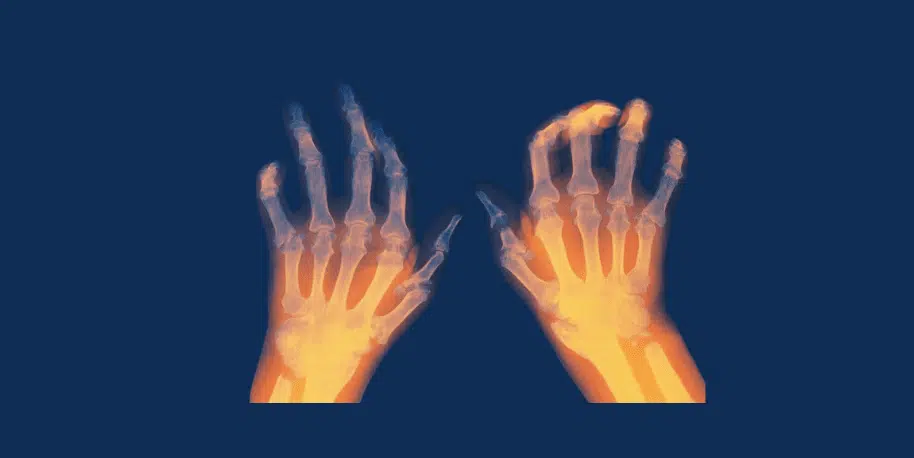
You’ve had a hysterectomy. You expected the usual recovery some fatigue, hormonal shifts, maybe a few mood changes. But what you didn’t anticipate was the creeping joint pain, the morning stiffness, or the feeling that your body suddenly aged overnight. If this sounds familiar, you’re not alone. For many women, a hysterectomy often advised by a gynecologist to address conditions like fibroids or endometriosi isn’t just the end of a medical chapter. It’s the start of a new one that sometimes includes unexpected symptoms like joint discomfort or even signs of rheumatoid arthritis (RA). So what’s really going on? Is it hormonal? Autoimmune? Or just coincidental? Let’s unpack the science and find out what you can do next.
Can Hysterectomy Trigger Rheumatoid Arthritis?
Short answer? Not directly but there’s definitely a link.
A hysterectomy doesn’t cause rheumatoid arthritis, but it can create conditions that trigger it especially if your ovaries were removed. That sudden drop in estrogen can disrupt immune regulation and increase inflammation. If you were already predisposed, this hormonal shift might be the tipping point. So when joint pain shows up after surgery, it’s worth paying attention it may be more than just routine recovery.
Why Rheumatoid Arthritis May Appear After Hysterectomy
Let’s talk about estrogen because its role goes far beyond reproduction.
Estrogen isn’t just responsible for periods and pregnancy. It plays a key role in maintaining joint flexibility, bone strength, and immune regulation. In fact, it helps keep inflammation in check and supports overall systemic balance.
When estrogen levels drop suddenly such as after ovary removal during a hysterectomy the body can lose that protective balance. This hormonal shift may contribute to immune dysregulation, where the body mistakenly targets its own joints, increasing the risk of autoimmune conditions like rheumatoid arthritis.
Importantly, these changes don’t always happen overnight. Symptoms may emerge gradually starting with joint stiffness, fatigue, or persistent swelling. That’s why recognizing early signs after hysterectomy is crucial for timely care.
Common Symptoms to Watch For
So, how do you know if you’re just dealing with post-op soreness or something more serious?
Here’s what to look out for:
Joint stiffness that lingers in the morning more than just “a bit creaky”
Swollen fingers or knees that feel warm to the touch
Fatigue that no nap can fix
Pain in matching joints on both sides (like both wrists or knees)
Tasks like buttoning shirts or brushing your hair suddenly feel harder
These are hallmark RA symptoms after hysterectomy. And while they might feel subtle at first, they often intensify with time.
When to Seek Medical Advice
Post-surgery healing brings a range of new sensations, and it’s common to wonder what’s normal. But if something doesn’t feel right, it’s important to listen to your body not second-guess it.
You should consider seeing a specialist if: ● You wake up with stiff joints every morning ● Pain seems to worsen over time instead of improving ● Your joints appear swollen, red, or warm to the touch ● You’re experiencing deep fatigue that’s unusual for you
Early evaluation is key. When rheumatoid arthritis is caught soon after symptoms begin, treatment is more effective and long-term joint damage can often be prevented.
Diagnosing RA After Hysterectomy
Diagnosing RA isn’t one-size-fits-all—especially after a hysterectomy. Rheumatoid arthritis is rarely confirmed with a single symptom or test. And when hormones are shifting, it can make the picture even more complex. That’s why at Little Stars & She Women and Children’s Hospital, we take a thorough, multi-layered approach:
A detailed physical exam to assess joint tenderness, swelling, and movement ● Blood tests to check for inflammation (like CRP and ESR) and autoimmune markers (such as rheumatoid factor and anti-CCP) ● Imaging studies, including X-rays or ultrasounds, to detect early joint changes ● Hormonal evaluations to assess estrogen levels and identify imbalances post-hysterectomy
By piecing these clues together, we can pinpoint whether RA is the root cause or if another factor is at play. Our multidisciplinary team including gynecologists, endocrinologists works together to ensure both hormonal and autoimmune factors are addressed in your care.
Lifestyle Tips for Managing RA After Hysterectomy
Here are some ways to take back control without flipping your entire life upside down:
Move every day. Even a short walk or gentle yoga can keep your joints happy.
Focus on an anti-inflammatory diet think salmon, leafy greens, berries, nuts, turmeric.
Sleep like it’s your job. Your immune system resets while you rest.
Lower stress. Meditation, deep breathing, reading… whatever brings you peace.
Ask your doctor about hormone replacement therapy (HRT). For some, it helps stabilize the hormone imbalance after hysterectomy and reduces RA flare-ups.
Managing RA isn’t about perfection. It’s about progress little daily wins that add up to big relief.
Frequently Asked Questions
Q1. Can a hysterectomy cause joint pain or arthritis?
Yes, especially if your ovaries were removed. The drop in estrogen can lead to joint pain after hysterectomy and may trigger or worsen autoimmune symptoms in some women.
Q2. Is there a link between estrogen loss and rheumatoid arthritis?
Definitely. Estrogen has a calming effect on inflammation. Losing it especially suddenly can disrupt immune regulation and increase the risk of developing rheumatoid arthritis.
Q3. How soon after a hysterectomy can rheumatoid arthritis symptoms appear?
It varies. Some women notice symptoms within weeks, while others may take months. It depends on your hormone levels, immune function, and genetic makeup.
Q4. Does hormone replacement therapy help prevent RA after hysterectomy?
In many cases, yes. HRT can reduce inflammation and joint pain related to estrogen loss. But it’s not for everyone speak with your doctor to see if it’s a good fit for you.
Q5. What are early signs of rheumatoid arthritis after hysterectomy?
Look for morning stiffness, swelling in joints, symmetrical pain, fatigue, and difficulty with everyday movements. These could be early RA symptoms after hysterectomy and should be evaluated by a specialist.
Summer is a wonderful time for children to enjoy playing outdoors and exploring new activities. However, the rising temperatures bring a set of challenges, especially for young ones. Parents and caregivers should ensure that their children stay healthy and safe through the warmer months. Here are some handy tips for parents on making the summer a happy and healthy one for their children.
Keep Them Hydrated
Frequent Fluid Intake: Children are more susceptible to dehydration than adults, especially during playtime. Ensure they drink water throughout the day. Fun tip: offer colourful water bottles or add natural flavours like berries or citrus to make hydration exciting.
Add a lot of hydrating Foods: Serve snacks that boost hydration. Watermelon, cucumbers, and strawberries are not only hydrating but also nutritious and kid-friendly.
Protect Their Skin
Sunscreen is a Must: Apply broad-spectrum sunscreen with an SPF of at least 30 to your child’s skin 30 minutes before they go outside, and reapply every two hours or immediately after swimming or sweating.
Create Shade: Use hats, sunglasses, and lightweight, long-sleeved clothing to cover your child’s skin when out in the sun, especially during the peak hours of 10 a.m. to 4 p.m.
Plan Indoor Breaks: Balance outdoor time with indoor activities during the hottest parts of the day to avoid overheating.
Heat Safety
Cool Spaces: Utilize fans or air conditioning to keep indoor environments cool during peak heat times. If air conditioning isn’t available, plan visits to public places that are air-conditioned, like libraries or shopping malls.
Cool Baths: Help them cool down with a tepid bath or a gentle spray from a hose in the backyard. However make sure not to bathe your child with cold showers or just after coming back from outdoors. Always use lukewarm water for bathing. The immediate change of temperature can lead to variations of body temperature.
Nutritious and Light Meals
Lighter Meals: Opt for smaller, more frequent meals. Heavy meals can raise body temperature and feel uncomfortable.
Seasonal Fruits and Veggies: Make the most of summer’s fresh produce. Serve lots of fresh fruits and veggies as snacks, in smoothies, or frozen for a tasty treat.
Safe and Fun Exercise
Morning or Evening Play: Schedule outdoor play times during cooler parts of the day, such as early morning or late evening.
Water Activities: Activities like swimming are excellent for staying cool while getting exercise. Just always ensure active supervision and appropriate safety gear. Use sunblock and necessary swim gear to suit the environment.
Travel Tips
Preparation is Key: if you are planning an outing or a road trip, make sure to pack essentials including water, healthy snacks, sunscreen, a first-aid kit, and extra clothing.
Stay Informed: Keep an eye on weather forecasts to avoid extreme heat and plan your activities accordingly.
Conclusion
Summertime with your child can be full of fun and memorable experiences if you take the right precautions to manage the heat. At Little Stars & She, one of the leading paediatric hospitals in Hyderabad, we are dedicated to providing you and your family with the care and support you need to ensure a safe, healthy summer. From preventive health tips to comprehensive care, we’re here to help your little star shine brightest, even under the summer sun. Keep these tips in mind as you plan your summer days, and remember, we’re just a call away whenever you need us.
Periods. We whisper the word, hide our pads, and often feel embarrassed to acknowledge their existence. But for over half the world’s population, menstruation is a natural, recurring reality. And with that reality comes the responsibility of managing menstrual hygiene – for ourselves and the environment.
Breaking the Silence:
Let’s start by openly acknowledging periods. They’re not something to be ashamed of, but a normal part of life for women and girls. Open discussions empower us to make informed choices about menstrual hygiene products and their environmental impact.
More Than Just Pads and Tampons:
From reusable cloth pads to menstrual cups and period panties, options for managing your flow are expanding! Explore to know and switch to what works best for you, considering comfort, affordability, and environmental impact.
Reusable vs. Disposable? Weighing the Options:
Both reusable and disposable products have their pros and cons:
Reusable:
Pros: Environmentally friendly, cost-effective in the long run, no need for constant replenishment.
Cons: Requires cleaning and proper storage, might only be readily available in some places.
Cons: Generating significant waste, often made with non-biodegradable materials, can be expensive in the long run.
Every Girl, Every Period, Every Responsibility:
Here are some pointers to ensure responsible menstrual hygiene:
Choose wisely: If opting for disposables, consider biodegradable options.
Dispose responsibly: Roll the pad into itself, with the bloodied surface inside. Secure it in a paper wrap. Dispose of it in a disposal bin. Do not flush down the toilet.
Advocate for change: Raise awareness about menstrual hygiene and waste management in your community.
Beyond Products: Breaking the Stigma
Menstrual hygiene goes beyond choosing the right product. It’s about:
Accessibility: Ensuring girls and women in rural areas have access to hygiene products and education.
Tackling period poverty: Addressing affordability concerns, especially for underprivileged communities.
Breaking taboos: Challenging cultural stigma and shame surrounding menstruation.
Let us work together to build a menstrual ecosystem that celebrates periods as a natural part of life, empowers every girl and woman, and safeguards our environment for generations to come. Together, let’s create a world where “period poverty” and stigma become relics of the past, and menstruation is synonymous with confidence, not concealment.
The fight for responsible menstrual hygiene is a collective journey. Let’s flow with the tide of change, building a menstrual ecosystem that reflects our values and aspirations for a just and sustainable future.
Must know facts about menstrual health
Q: What if I can’t afford reusable products?
Look for government-sponsored programs or NGOs providing subsidized or free menstrual hygiene products. Remember, your well-being matters, regardless of your economic situation.
Q: Are biodegradable products eco-friendly?
While a better option than conventional disposables, biodegradable products still create waste. Aim for reusables when possible.
Q: How can I talk to my family and friends about periods?
Start by sharing your own experiences and encouraging open discussions. Normalize the conversation and challenge any misconceptions they might have.
Remember, periods are a natural part of life, and managing them sustainably and responsibly is a shared responsibility. We can break the silence, empower ourselves, and protect our environment.
Let’s flow in confidence, not just during our periods, but by advocating for change and making informed choices.
As a parent, nothing is more important than the health and safety of your child. While we strive to create a safe environment, accidents, and emergencies can still occur. Being prepared and knowing how to respond to paediatric emergencies is crucial. In this comprehensive guide, we will discuss common paediatric emergencies, provide essential first-aid tips, and empower parents with the knowledge and skills to handle these situations effectively. Remember, quick action and proper first aid can make a significant difference in ensuring the well-being of your child.
1. Choking
Choking is a common emergency in children, especially toddlers, who tend to explore objects by putting them in their mouths. If your child is choking, it is essential to act swiftly. First Aid Tips: a) For infants (under 1 year old):
Support the infant’s face and head and place them face down on your forearm.
Deliver firm but gentle back blows between the shoulder blades using the heel of your hand.
If the object does not dislodge, turn the infant face up while still supporting the head and perform chest thrusts.
b) For children (over 1 year old):
Stand or kneel behind the child and deliver five back blows between the shoulder blades.
If the object does not dislodge, perform abdominal thrusts (Heimlich maneuver) by standing behind the child, placing your fist above the navel, and applying upward pressure.
2. Burns
Burns, a pediatric emergency, can occur from hot liquids, flames, chemicals, or electrical sources. Prompt first aid is vital to minimize damage and alleviate pain. First Aid Tips: a) Remove the child from the source of the burn and cool the affected area with cool running water for at least 10 minutes. b) Cover the burn with a clean, non-stick dressing or cloth. c) Seek medical attention for severe burns, burns involving the face, hands, or genitals, or burns caused by chemicals or electricity.
3. Fever and Seizures
Fever, a paediatric emergency, is common in children and is often harmless. However, high fevers can lead to seizures, known as febrile seizures, which can be frightening for parents. First Aid Tips: a) Stay calm and place the child on a flat surface away from any potential hazards. b) Remove any tight clothing and ensure a clear airway. c) Do not restrain the child or put anything in their mouth during a seizure. d) Time the seizure and seek medical attention if the seizure lasts longer than five minutes or if it is the child’s first seizure.
4. Allergic Reactions
Allergic reactions, a paediatric emergency, can range from mild to severe and can be triggered by food, insect bites, or medications. Anaphylaxis is a severe and potentially life-threatening allergic reaction. First Aid Tips: a) For mild allergic reactions:
Remove the allergen if possible.
Administer an over-the-counter antihistamine if age-appropriate and as directed.
Monitor the child for worsening symptoms.
b) For severe allergic reactions (anaphylaxis):
Administer epinephrine if available, following the prescribed instructions.
Call emergency services immediately.
Help the child lie down and raise their legs if they feel lightheaded.
Do not give the child anything to eat or drink.
5. Fractures and Sprains
Children are prone to fractures and sprains due to their active lifestyles and developing bones. Recognizing and providing initial care for these injuries is crucial. First Aid Tips: a) Immobilise the injured area by using a splint or by supporting it with soft padding and bandages. b) Apply ice or a cold compress to reduce swelling and pain. c) Seek medical attention to confirm the diagnosis and receive appropriate treatment.
6. Head Injuries
Head injuries, a paediatric emergency, can range from minor bumps to more severe trauma. It is important to assess the situation and seek medical attention when necessary. First Aid Tips: a) For minor head injuries:
Apply a cold compress to reduce swelling.
Monitor the child for any changes in behavior, drowsiness, or vomiting.
b) For severe head injuries:
Call emergency services immediately.
Keep the child still and support their head and neck.
Do not move the child unless it is necessary for their safety.
7. Ingestion of Harmful Substances
Children are naturally curious and may ingest harmful substances, such as household cleaners or medications. Immediate action is crucial to prevent further harm. First Aid Tips: a) Remove any remaining substance from the child’s mouth. b) Call the local poison control center or emergency services for guidance. c) Do not induce vomiting unless directed by medical professionals.
Conclusion
Being prepared and knowing how to respond to paediatric emergencies is essential for every parent. By familiarizing yourself with common emergencies and learning the appropriate first aid techniques, you can provide immediate care for your child and potentially prevent further complications. However, it is important to remember that first aid is not a substitute for professional medical care. Always seek medical attention for severe emergencies or when in doubt.