Menstrual Disorders Treatment in Banjara Hills, Hyderabad

Menstrual Disorders Treatment in Banjara Hills, Hyderabad

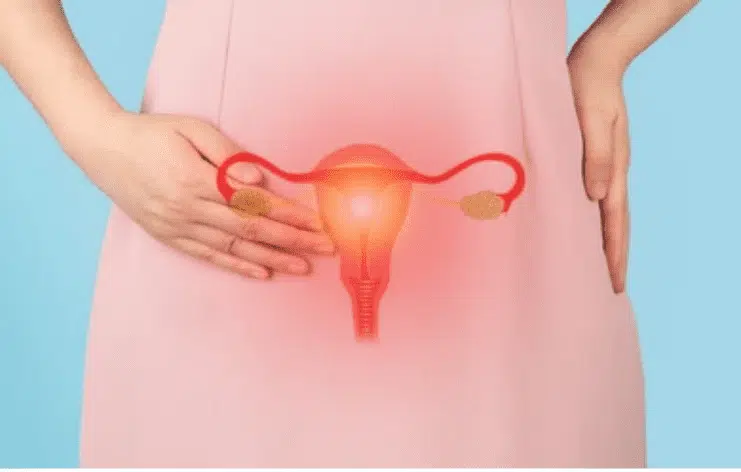
Menstrual health is essential for a woman’s overall well-being. Fluctuations in menstrual cycles can signal underlying health issues, affecting millions of women worldwide, many of whom remain undiagnosed or untreated. Conditions such as irregular periods, heavy bleeding, severe cramps, and absent cycles can disrupt daily life, impact fertility, and disturb emotional balance. Understanding what is normal is crucial for maintaining menstrual health, and a timely diagnosis is essential when symptoms interfere with daily life.

At Little Stars & She, we offer holistic and cutting-edge menstrual disorders treatment in Banjara Hills, Hyderabad, for women of all ages. Our experienced team uses advanced diagnostic tools to identify the root causes of issues such as PCOS, endometriosis, and hormonal imbalances. With a focus on compassionate, personalized care, we aim to restore balance and confidence in every woman who visits us.

What may be causing your painful or irregular periods? Here’s a closer look at the various menstrual disorders we often treat.

Types of Menstrual Disorders Treated at Little Stars & She

Menstrual problems range from mild pain to issues that can have a significant effect on everyday life. At Little Stars & She, our seasoned gynaecologist for menstrual issues in Hyderabad, is well-versed in the management of a wide range of menstrual disorders, including:

  • Amenorrhea (Absent Periods):

When menstruation stops unexpectedly or doesn’t begin by age 16, often caused by hormonal imbalances, PCOS, or lifestyle factors.

  • Dysmenorrhea (Painful Periods):

Severe cramps and pain during menstruation, often linked to underlying conditions like endometriosis or fibroids.

  • Menorrhagia (Heavy Bleeding):

Excessive or prolonged bleeding that interferes with daily activities and may lead to anemia if untreated.

  • Oligomenorrhea (Infrequent Periods):

Occasional or irregular periods, typically seen in cases of hormonal imbalances or polycystic ovary syndrome.

  • Premenstrual Syndrome (PMS):

Emotional and physical symptoms occurring before menstruation, including mood swings, bloating, and fatigue.

  • Premenstrual Dysphoric Disorder (PMDD):

A more severe form of PMS that disrupts daily life and mental health.

  • Polycystic Ovary Syndrome (PCOS):

A hormonal condition affecting ovulation, often leading to irregular or missed periods. We provide specialized irregular periods treatment in Banjara Hills to assist PCOS patients.


Menstrual Disorders Treatment in Banjara Hills, Hyderabad
  • Endometriosis:

The uterine lining-like tissue grows outside the uterus, leading to intense pain and irregular cycles.

There is relief for all kinds of period issues with the proper guidance. Reach out to a menstrual health specialist to discover the ideal treatment option.


Not clear how doctors determine what is behind your period issues? Let’s go through the steps employed in the diagnosis of menstrual disorders with accuracy.

How Are Menstrual Disorders Diagnosed

Determining the cause of menstrual abnormalities is the first step toward effective treatment. At Little Stars & She, our methodology is exhaustive and personalized:

  • Detailed Medical History:

A complete check-up of your menstrual cycles, physical and emotional symptoms, medical history, and family medical history assists in identifying possible causes.

  • Physical & Pelvic Examination:

A gentle exam checks for structural issues, infections, or signs of inflammation.

  • Ultrasound Scan:

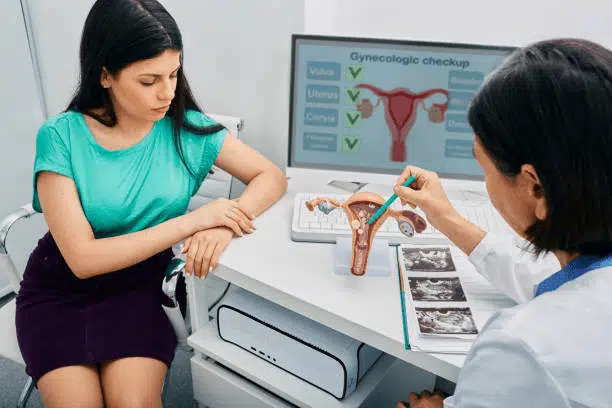
A non-invasive imaging test, providing a clear view of your ovaries, uterus, and endometrial lining essential to detect fibroids, cysts, or PCOS.

  • Hormonal Blood Tests:

Tests for key hormones like estrogen, progesterone, FSH, LH, thyroid, and prolactin to identify imbalances that could be affecting your cycle.

  • Endometrial Biopsy (if required):

A uterine lining sample is evaluated if abnormal bleeding remains unexplained, particularly in women aged 35 years or more.

  • Laparoscopy:

A less invasive procedure employed when endometriosis or pelvic scarring is suspected and other investigations are not definitive.

Our competent period problems doctor in Hyderabad meticulously performs these assessments to provide you with the answers you require.


Interested to know how these conditions are treated after diagnosis? Here are the most effective, personalized options offered at our hospital.

Menstrual Disorders Treatment in Banjara Hills, Hyderabad, Offered at Our Hospital

At Little Stars & She, treatment isn’t one-size-fits-all it’s tailored to your body, symptoms, and goals. Our menstrual health specialist in Banjara Hills takes a holistic approach, combining medical science with personalized care to create a treatment plan tailored to your lifestyle.

  • Lifestyle Modifications:

Diet changes, regular exercise, stress management, and weight regulation can make a significant difference in hormonal balance and cycle regularity.

Hormonal Therapies:

Birth control pills, hormone patches, or hormone-releasing IUDs help regulate periods, reduce heavy bleeding, and ease painful cramps.

Specific medications target thyroid disorders, insulin resistance, or infections that may be contributing to menstrual problems.

  • Fertility Treatments:

For women looking to conceive, treatments like ovulation induction, hormonal support, or assisted reproductive techniques may be offered.

Medications for Underlying Conditions:

Specific medications target thyroid disorders, insulin resistance, or infections that may be contributing to menstrual problems.

  • Fertility Treatments:

For women looking to conceive, treatments like ovulation induction, hormonal support, or assisted reproductive techniques may be offered.

Minimally Invasive Surgeries:

Frequently Asked Questions:

  1. What are the signs of a menstrual disorder?

Common signs include missed periods, heavy bleeding, severe cramps, spotting between periods, and mood changes.

  1. Can stress affect my menstrual cycle?

Yes, stress can disrupt hormonal balance and lead to irregular or missed periods.

  1. How is PCOS linked to menstrual irregularities?

PCOS causes hormonal imbalance, which often results in missed, infrequent, or prolonged periods.

  1. Are menstrual disorders treatable without surgery?

Yes, many conditions are manageable through medication, lifestyle changes, and hormonal therapies.

  1. Are menstrual disorders common during menopause?

Yes, perimenopause often brings irregular cycles, spotting, or heavier bleeding due to hormonal shifts.

  1. How long does treatment usually take to show results?

Most patients see improvement within 1–3 cycles, depending on the condition and treatment approach.

  1. Is it normal to have irregular periods after childbirth?

Yes, postpartum hormonal shifts may cause temporary irregularities, especially while breastfeeding.

Disclaimer: The information shared in this content is for educational purposes and not for promotional use.

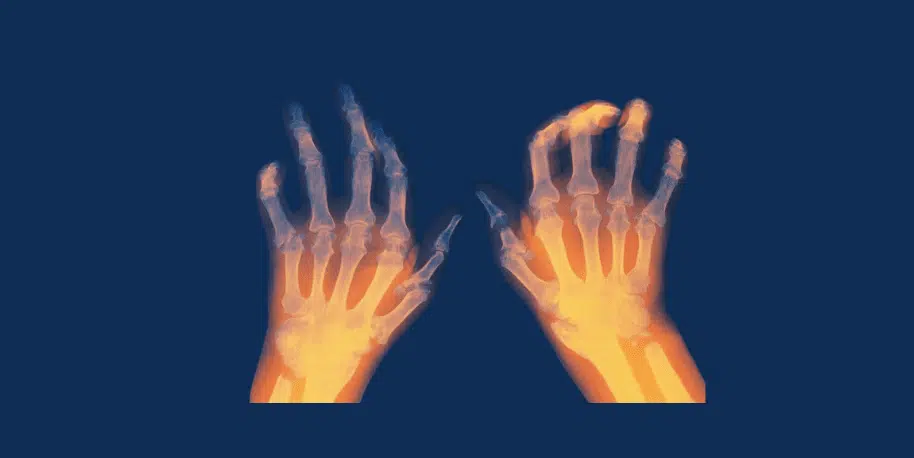
Rheumatoid Arthritis After Hysterectomy

Rheumatoid Arthritis After Hysterectomy

You’ve had a hysterectomy. You expected the usual recovery some fatigue, hormonal shifts, maybe a few mood changes. But what you didn’t anticipate was the creeping joint pain, the morning stiffness, or the feeling that your body suddenly aged overnight. If this sounds familiar, you’re not alone. For many women, a hysterectomy often advised by a gynecologist to address conditions like fibroids or endometriosi isn’t just the end of a medical chapter. It’s the start of a new one that sometimes includes unexpected symptoms like joint discomfort or even signs of rheumatoid arthritis (RA). So what’s really going on? Is it hormonal? Autoimmune? Or just coincidental? Let’s unpack the science and find out what you can do next.‍

Can Hysterectomy Trigger Rheumatoid Arthritis?

Short answer? Not directly but there’s definitely a link.

A hysterectomy doesn’t cause rheumatoid arthritis, but it can create conditions that trigger it especially if your ovaries were removed. That sudden drop in estrogen can disrupt immune regulation and increase inflammation. If you were already predisposed, this hormonal shift might be the tipping point. So when joint pain shows up after surgery, it’s worth paying attention it may be more than just routine recovery.‍

Why Rheumatoid Arthritis May Appear After Hysterectomy

Rheumatoid Arthritis After Hysterectomy

Let’s talk about estrogen because its role goes far beyond reproduction.

Estrogen isn’t just responsible for periods and pregnancy. It plays a key role in maintaining joint flexibility, bone strength, and immune regulation. In fact, it helps keep inflammation in check and supports overall systemic balance.

When estrogen levels drop suddenly such as after ovary removal during a hysterectomy the body can lose that protective balance. This hormonal shift may contribute to immune dysregulation, where the body mistakenly targets its own joints, increasing the risk of autoimmune conditions like rheumatoid arthritis.

Importantly, these changes don’t always happen overnight. Symptoms may emerge gradually starting with joint stiffness, fatigue, or persistent swelling. That’s why recognizing early signs after hysterectomy is crucial for timely care.

Common Symptoms to Watch For

So, how do you know if you’re just dealing with post-op soreness or something more serious?

Here’s what to look out for:

  • Joint stiffness that lingers in the morning more than just “a bit creaky”

  • Swollen fingers or knees that feel warm to the touch

  • Fatigue that no nap can fix

  • Pain in matching joints on both sides (like both wrists or knees)

  • Tasks like buttoning shirts or brushing your hair suddenly feel harder

These are hallmark RA symptoms after hysterectomy. And while they might feel subtle at first, they often intensify with time.‍

When to Seek Medical Advice

Post-surgery healing brings a range of new sensations, and it’s common to wonder what’s normal. But if something doesn’t feel right, it’s important to listen to your body not second-guess it.

You should consider seeing a specialist if:
● You wake up with stiff joints every morning
● Pain seems to worsen over time instead of improving
● Your joints appear swollen, red, or warm to the touch
● You’re experiencing deep fatigue that’s unusual for you

Early evaluation is key. When rheumatoid arthritis is caught soon after symptoms begin, treatment is more effective and long-term joint damage can often be prevented.‍

Diagnosing RA After Hysterectomy

Diagnosing RA isn’t one-size-fits-all—especially after a hysterectomy.
Rheumatoid arthritis is rarely confirmed with a single symptom or test. And when hormones are shifting, it can make the picture even more complex. That’s why at Little Stars & She Women and Children’s Hospital, we take a thorough, multi-layered approach:

  • A detailed physical exam to assess joint tenderness, swelling, and movement
    ● Blood tests to check for inflammation (like CRP and ESR) and autoimmune markers (such as rheumatoid factor and anti-CCP)
    ● Imaging studies, including X-rays or ultrasounds, to detect early joint changes
    ● Hormonal evaluations to assess estrogen levels and identify imbalances post-hysterectomy

By piecing these clues together, we can pinpoint whether RA is the root cause or if another factor is at play. Our multidisciplinary team including gynecologists, endocrinologists works together to ensure both hormonal and autoimmune factors are addressed in your care.

Lifestyle Tips for Managing RA After Hysterectomy

Here are some ways to take back control without flipping your entire life upside down:

  • Move every day. Even a short walk or gentle yoga can keep your joints happy.

  • Focus on an anti-inflammatory diet think salmon, leafy greens, berries, nuts, turmeric.

  • Sleep like it’s your job. Your immune system resets while you rest.

  • Lower stress. Meditation, deep breathing, reading… whatever brings you peace.

  • Ask your doctor about hormone replacement therapy (HRT). For some, it helps stabilize the hormone imbalance after hysterectomy and reduces RA flare-ups.

Managing RA isn’t about perfection. It’s about progress little daily wins that add up to big relief.

Frequently Asked Questions

Q1. Can a hysterectomy cause joint pain or arthritis?

Yes, especially if your ovaries were removed. The drop in estrogen can lead to joint pain after hysterectomy and may trigger or worsen autoimmune symptoms in some women.

Q2. Is there a link between estrogen loss and rheumatoid arthritis?

Definitely. Estrogen has a calming effect on inflammation. Losing it especially suddenly can disrupt immune regulation and increase the risk of developing rheumatoid arthritis.

Q3. How soon after a hysterectomy can rheumatoid arthritis symptoms appear?

 It varies. Some women notice symptoms within weeks, while others may take months. It depends on your hormone levels, immune function, and genetic makeup.

Q4. Does hormone replacement therapy help prevent RA after hysterectomy?

In many cases, yes. HRT can reduce inflammation and joint pain related to estrogen loss. But it’s not for everyone speak with your doctor to see if it’s a good fit for you.

Q5. What are early signs of rheumatoid arthritis after hysterectomy?

Look for morning stiffness, swelling in joints, symmetrical pain, fatigue, and difficulty with everyday movements. These could be early RA symptoms after hysterectomy and should be evaluated by a specialist.

References

  1. https://www.ncbi.nlm.nih.gov/pmc/articles/PMC3998009/
  2. https://www.arthritis.org/health-wellness/about-arthritis/understanding-arthritis/hormones-autoimmune-connection


Disclaimer: The content shared on this page is for informational purposes and not for promotional use.

Can Stress Delay Periods?

Can Stress Delay Periods?

Many women notice changes in their menstrual cycle during stressful times. A common concern is: can stress delay periods? The answer is yes. Stress can affect the delicate balance of hormones that control your menstrual cycle, sometimes causing delays, missed periods, or irregular bleeding.

 Understanding how stress impacts periods can help reduce worry and encourage timely care when needed. This article explains the connection in a simple, reassuring way.

How Can Stress Delay Periods?

When people ask “can stress delay periods?”, they are referring to changes in the menstrual cycle caused by emotional or physical stress.


What Is Premature Ovarian Failure (POF)?

Your periods are regulated by hormones released from the brain and ovaries. Stress can interfere with these signals, slowing or temporarily stopping ovulation. When ovulation is delayed, your period may also come later than expected.

 This is usually temporary and improves once stress levels reduce.

Causes / Risk Factors

Several types of stress can affect menstrual timing:

  • Emotional Stress
  • Work pressure or exams
  • Family or relationship concerns
  • Anxiety or prolonged worry
  • Major life changes
  • Physical Stress
  • Sudden weight loss or intense exercise
  • Lack of proper sleep
  • Illness or recovery from surgery
  • Lifestyle Factors
  • Poor eating habits
  • Irregular daily routine
  • Travel or disrupted sleep cycles
  • Change of City
  • Night Shifts

Not everyone responds to stress the same way. Some women may see a slight delay, while others may miss a cycle.

Symptoms & Signs

Signs and Symptoms to Watch For

If stress is affecting your cycle, you may notice:

  • Delayed or missed periods
  • Irregular cycle timing
  • Lighter or heavier bleeding than usual
  • Increased cramps or discomfort
  • Mood changes or fatigue
  • These symptoms often resolve once stress is managed and hormonal balance returns

Diagnosis Overview

When periods are delayed, doctors first try to understand the overall picture.

This usually includes:

  • Reviewing menstrual history
  • Discussing recent stress or lifestyle changes
  • Checking for other symptoms
  • Basic evaluations if delays continue

Stress-related delays are diagnosed after ruling out other common causes of irregular periods. Early assessment helps provide clarity and peace of mind.


Care & Support Approach

Managing stress plays a key role in restoring regular periods.

  • Supportive care may include:
  • Maintaining a regular sleep schedule
  • Eating balanced, nourishing meals
  • Gentle physical activity
  • Relaxation techniques like deep breathing or mindfulness
  • Emotional support from family or professionals
  • Listening to your body and allowing time for recovery can help your cycle normalize naturally.

Why Early Awareness Matters

Understanding that stress can delay periods prevents unnecessary worry and panic.

Early awareness helps you:

  • Recognize normal, temporary changes
  • Avoid self-blame or fear
  • Seek medical advice when delays persist
  • Maintain overall reproductive health

If periods are delayed repeatedly or for several months, it’s important to seek professional guidance.

Frequently Asked Questions

1. Can stress delay periods even if my cycle is usually regular?

Yes. Even women with very regular cycles may experience delayed periods during high stress.

2. How long can stress delay a period?

Stress may delay a period by a few days to several weeks, depending on the Individual.

3. Can stress completely stop periods?

Severe or prolonged stress can temporarily stop periods, but they often return once stress reduces.

4. Can stress delay periods without other symptoms?

Yes. Sometimes a delayed period is the only noticeable change.

5. When should I be concerned about delayed periods?

If periods are delayed for more than two cycles or occur frequently, medical evaluation is advised.

Conclusion

So, can stress delay periods? Absolutely. Stress can disrupt hormonal signals and temporarily affect your menstrual cycle. In most cases, this is not serious and improves with proper care, rest, and emotional support.

Disclaimer: The content shared on this page is for informational purposes and not for promotional use.

Premature Ovarian Failure at 20

Premature Ovarian Failure at 20

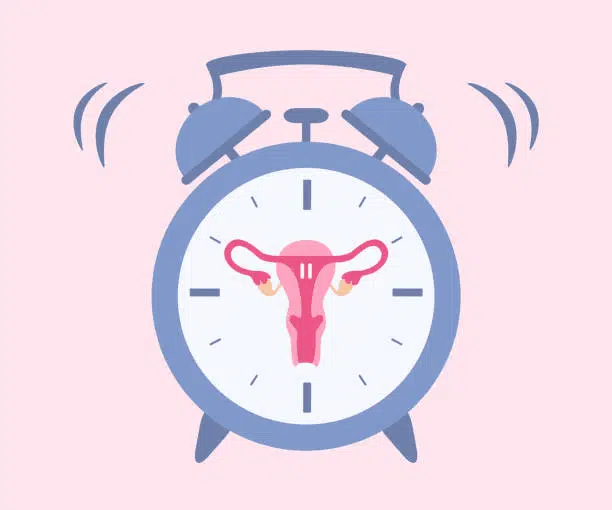
Premature Ovarian Failure (POF) is a condition in which a woman’s ovaries cease to function normally before she turns 40 years old. It leads to lower estrogen levels, irregular or absent periods, and often, challenges with fertility. While most cases occur in women in their 30s, a growing number of young women are facing this condition much earlier—sometimes as early as their teenage years or early twenties.

Premature ovarian failure at 20 is particularly distressing, as it affects women at a stage when their reproductive journey is just beginning, making the diagnosis feel both shocking and emotionally overwhelming.

At Little Stars & She, a premier women’s and children’s hospital, we specialize in navigating such delicate challenges with deep compassion and advanced care. Our competent team of gynecologists in Banjara Hills combines clinical expertise with a strong focus on emotional well-being, helping young women understand their diagnosis and explore the best available options—whether it be hormone support, fertility preservation, or holistic lifestyle guidance.

Let’s begin by understanding this condition and its impact on women at a young age.

What Is Premature Ovarian Failure (POF)?

POF, also known as Primary Ovarian Insufficiency, occurs when the ovaries cease to function properly before the age of 40. This condition leads to reduced estrogen production and can cause irregular or absent menstrual periods, often resulting in infertility. While POF shares some similarities with early menopause, it is not always a permanent condition, and some women may still experience occasional ovulation.
What Is Premature Ovarian Failure (POF)?
In the case of premature ovarian failure at 20, the diagnosis can feel especially overwhelming, as it affects young women who are often still exploring their reproductive options. The condition not only influences hormonal balance but also requires ongoing support for physical and emotional well-being.
Now, let’s see what might lead to POF at such a young age.

Causes of Premature Ovarian Failure at a Young Age

  • Genetic Disorders:

Conditions like Turner Syndrome or Fragile X Syndrome can affect ovarian function early.

  • Autoimmune Conditions:

The immune system mistakenly attacks ovarian tissue, causing damage and hormone disruption.

  • Chemotherapy and Radiation:

Cancer treatments can harm ovarian cells, especially when administered at a young age.

  • Surgical Removal of Ovaries:

Early surgical intervention may lead to POF, especially after ovarian cyst removal or other complications.

  • Infections:

Certain viral infections, such as mumps, can lead to ovarian inflammation and damage.

  • Environmental Toxins:

Prolonged exposure to pesticides, industrial chemicals, or cigarette smoke may impair ovarian health.

  • Idiopathic Causes:

In many cases, the exact cause remains unknown despite extensive testing.

Let’s explore how you can recognize the signs before it’s too late.

Signs and Symptoms to Watch For

Signs and Symptoms to Watch For
Early identification is key to managing POF effectively. Here’s what to watch for:

  • Irregular or Missed Periods:One of the most common and earliest signs.
  • Hot Flashes & Night Sweats:Often mistaken for perimenopause, these suggest hormonal imbalance.
  • Vaginal Dryness:Reduced estrogen levels can lead to discomfort during intimacy or daily life.
  • Infertility:Difficulty conceiving is a major reason women seek a diagnosis.
  • Mood Swings & Depression:Hormonal changes can severely affect emotional health.
  • Reduced Libido:A drop in sexual desire can be another symptom of estrogen deficiency.
  • Sleep Disturbances:Insomnia or disrupted sleep patterns are frequently reported.
  • Brain Fog:Trouble concentrating or forgetfulness may accompany hormonal decline.
Noticing any of these symptoms? Reach out to a professional for a detailed evaluation and personalized care.
Let’s take a closer look at the diagnostic process for Premature Ovarian Failure.

How Is It Diagnosed?

  • Hormone Blood Tests:

Elevated levels of FSH (follicle-stimulating hormone)—especially on two occasions a month apart—are a hallmark of POF. Low estrogen and anti-Müllerian hormone (AMH) levels also indicate reduced ovarian function.

  • Thyroid and Autoimmune Screening:

Autoimmune disorders often accompany POF, so testing for thyroid antibodies or adrenal antibodies may be recommended.

  • Pelvic Ultrasound:

 Transvaginal ultrasound evaluates the size and health of the ovaries and uterus and counts the number of observable follicles.

  • Genetic Testing:

Karyotyping and Fragile X testing can be done to identify chromosomal irregularities, especially if POF is experienced at a very early age.

  • Menstrual Tracking & Symptoms Log:

A close log of menstrual periods and related symptoms can assist your gynecologist in observing patterns and changes over time.

At Little Stars & She, our gynecologists in Banjara Hills employ an integrated approach to make timely and accurate diagnoses and guide the best next steps.

Now that we understand the diagnosis, how do we manage and treat it? Let’s discuss the most common treatment options available.

Management and Treatment Options

 Management and Treatment Options
Though POF at 20 might seem confining, there are many management paths that can aid your health and future. Every care plan at Little Stars & She is customized to accommodate your medical requirements, fertility aspirations, and lifestyle. Below are the most commonly suggested treatment options:

  • Hormone Replacement Therapy (HRT):

Replaces the missing estrogen and progesterone to help regulate periods, relieve hot flashes, and protect against osteoporosis and heart disease.

  • Calcium and Vitamin D Supplements:

Needed to ensure healthy bones, particularly because premature loss of estrogen raises the risk of osteoporosis.

  • Fertility Support:

Alternatives such as IVF with donor eggs or embryo adoption are available for women with POF to become pregnant. Spontaneous ovulation can occur in some exceptional cases.

  • Lifestyle Adjustments:

A healthy diet, regular exercise, and quitting smoking can help manage symptoms and reduce long-term health risks.

  • Psychological Counseling:

Mental health counseling is important. Infertility and hormonal imbalance at a young age can be emotionally exhausting, and so therapy or support groups are usually suggested.

  • Monitoring and Follow-up:

Regular check-ups to track hormone levels, bone density, and emotional stability ensure that treatment is still working and is responsive to your evolving needs.

At our women & children hospital in Banjara Hills, we guide you through every step with medical precision and heartfelt care.

Need guidance on managing POF? Connect with a competent specialist to discuss the best treatment options.

Frequently Asked Questions

1. Can premature ovarian failure be reversed?

POF is not usually reversible; however, some women might have intermittent ovarian function.

2. What lifestyle changes help with POF?

A healthy lifestyle, proper diet, stress reduction, and avoiding smoking promote hormone balance.

3. Is it the same as early menopause?

No. In contrast to premature menopause, POF can permit occasional ovulation and menstruation.

4. How do I know if I have POF?

Irregular periods, hot flashes, and infertility are common indicators. Confirm through hormone tests.

5. Is pregnancy possible with POF?

Yes, although infrequent, natural conception is possible. IVF with donor eggs is also an effective solution.

Disclaimer: The content shared on this page is for informational purposes and not for promotional use.

Perimenopause and Thyroid: Understanding the Hormonal Link

Perimenopause and Thyroid: Understanding the Hormonal Link

Perimenopause is a complex phase in a woman’s life—filled with hormonal shifts that can feel like a roller coaster. But there’s another player that often gets overlooked in this transition: the thyroid. These two systems—reproductive and endocrine—are more intertwined than many realize, and when they fall out of sync, it can make symptoms harder to decode.

At Little Stars & She, our gynecology and endocrinology experts understand these nuances. With a holistic, patient-focused approach backed by cutting-edge diagnostics and compassionate care, we are here to help women navigate every hormonal crossroad—confidently and comfortably.

Curious about what perimenopause really involves?.

What Is Perimenopause?

What Is Perimenopause?

Perimenopause is the transitional phase before menopause when the ovaries gradually reduce estrogen production. This period can last anywhere from a few months to several years, typically beginning in a woman’s 40s, though some may notice changes as early as their mid-30s.

Common symptoms include:

  • Irregular periods
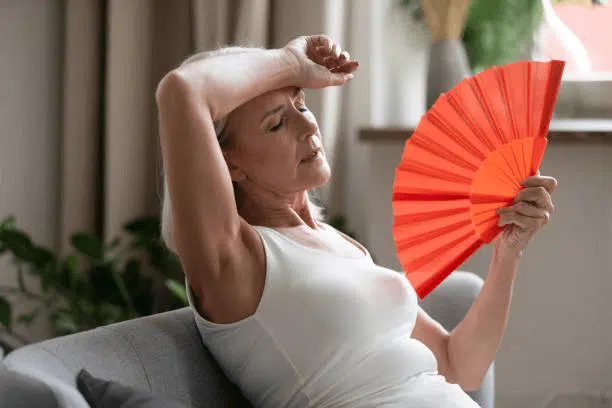
  • Hot flashes and night sweats
  • Mood swings and irritability
  • Sleep disturbances
  • Brain fog

But here’s the catch—many of these symptoms overlap with thyroid dysfunction. That’s why a deeper understanding is essential for women facing unexplained changes in their bodies.

Now, let’s understand the importance of thyroid.

Thyroid Function and Its Role in Women’s Health

Thyroid Function and Its Role in Women’s Health

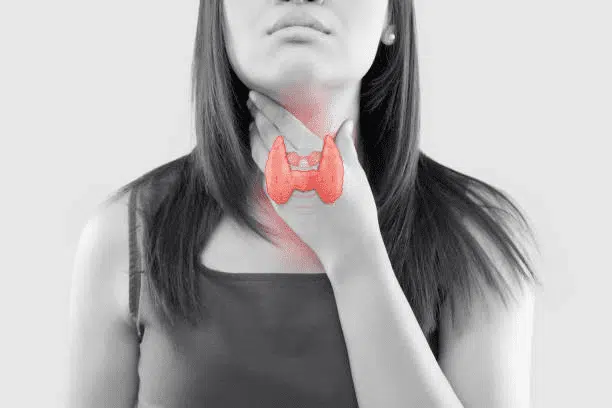
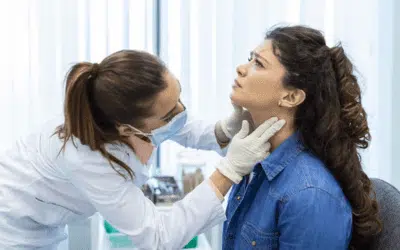
The thyroid, a small butterfly-shaped gland in your neck, regulates essential body functions such as metabolism, heart rate, temperature, and energy levels through hormone production. For women, it plays a crucial role in maintaining reproductive and overall hormonal balance.

Thyroid disorders—especially hypothyroidism and hyperthyroidism—are more common in women and often emerge around midlife. Left unchecked, they can contribute to fatigue, weight changes, depression, and even menstrual irregularities.

During perimenopause, these symptoms can become magnified, making it harder to distinguish between thyroid problems and the natural effects of aging or hormonal shifts.

So, how exactly do these two hormonal systems intersect?

The Hormonal Crossroads – How Perimenopause Affects the Thyroid

The Hormonal Crossroads – How Perimenopause Affects the Thyroid

Estrogen, a hormone that fluctuates wildly during perimenopause, influences how your body uses thyroid hormones. When estrogen levels drop or spike, it can disrupt thyroid function, leading to either increased or decreased thyroid activity.

This hormonal imbalance in perimenopause can:

  • Alter how thyroid hormones bind in the bloodstream
  • Influence the conversion of T4 (inactive thyroid hormone) into T3 (active thyroid hormone)
  • Mask or mimic thyroid symptoms like fatigue, mood issues, or temperature sensitivity

In women over 40, this overlap can cause confusion. You may assume it’s “just menopause” when it could actually be—or also be—a thyroid issue.

Feeling unsure whether your symptoms are thyroid-related or hormonal? Consult a specialist for proper guidance and treatment.

Here’s what to expect.

Testing and Diagnosis – What Women Should Know

Testing and Diagnosis – What Women Should Know

Diagnosing thyroid issues during perimenopause requires a comprehensive approach. Because symptoms overlap, doctors don’t rely on complaints alone. At Little Stars & She, we use a combination of clinical assessment and lab investigations to create a full picture.

Typical diagnostic steps include:

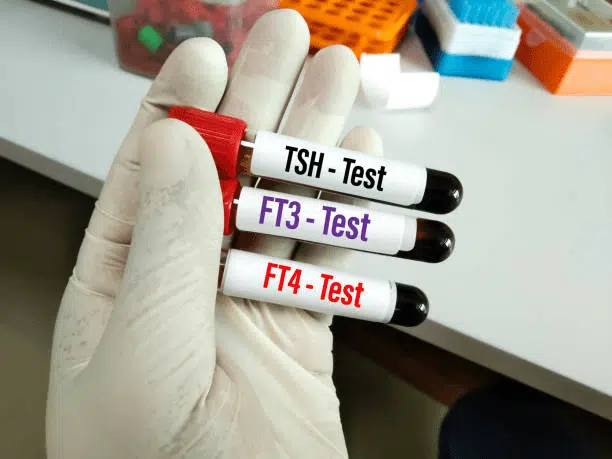
  • TSH Test: Measures thyroid-stimulating hormone levels
  • Free T3 & T4: To assess how much active hormone is in circulation
  • Thyroid Antibody Tests: For autoimmune thyroid conditions
  • Ultrasound(if nodules are suspected)

These tests are often paired with a hormonal panel to measure estrogen, progesterone, and sometimes cortisol levels—especially if fatigue, insomnia, or mood shifts are dominant symptoms.

How to manage both perimenopause and thyroid health effectively? Let’s find out.

Treatment & Management Strategies

Thyroid hormone replacement for hypothyroidism

Thyroid hormone replacement for hypothyroidism

Hormone therapy (HRT)

for significant perimenopausal symptoms

Lifestyle changes

including stress management, regular sleep, and a thyroid-friendly diet

Nutritional support

with selenium, iodine, and vitamin D when needed

Regular follow-ups

to adjust medications and track changes over time

The multidisciplinary team at Little Stars & She collaborates across gynecology, endocrinology, and nutrition to create individualized plans that reflect each woman’s evolving needs.

Looking for personalized hormone and thyroid care? Explore how integrated support makes a difference. Schedule a consultation today.

Wondering when it’s time to take action and consult a specialist?

When to See a Doctor

When to See a Doctor

Many women assume it’s “just hormones” or feel hesitant to seek help until symptoms become overwhelming. But early intervention is vital.

You should see a doctor if you notice:

  • Persistent fatigue that doesn’t improve with rest
  • Unexplained weight changes
  • Mood changes, anxiety, or depression
  • Significant changes in menstrual patterns
  • Heart palpitations or temperature sensitivity
  • Family history of thyroid or autoimmune conditions

At Little Stars & She, we believe no concern is too small. Whether you’re experiencing thyroid symptoms during perimenopause or just want clarity, our specialists are here to listen and guide you with empathy and expertise.

Noticing subtle symptoms or just feeling “off”? It might be time to get a comprehensive checkup. Book an appointment today.

Frequently Asked Questions:

1. Can perimenopause cause thyroid problems?
Perimenopause doesn’t directly cause thyroid disease, but hormonal shifts during this phase can reveal or worsen underlying thyroid issues. Estrogen fluctuations can also impact thyroid hormone activity and metabolism.

2. Do I need thyroid testing during perimenopause?
If you are experiencing overlapping symptoms such as fatigue, mood changes, or irregular periods, it is a good idea to get your thyroid tested. Early detection can prevent complications and improve overall well-being.

3. What if I have both thyroid disease and perimenopausal symptoms?
It is common and manageable. Treatment may involve both thyroid hormone therapy and strategies to manage perimenopausal symptoms. An integrated care approach ensures neither condition is overlooked.

4. How can I tell the difference between thyroid imbalance and perimenopause?
While symptoms like fatigue, mood swings, and weight changes are common to both, diagnostic tests are the only reliable way to distinguish between the two. A healthcare provider can help interpret symptoms in context.

5. Why are thyroid problems in women over 40 more common?

Hormonal shifts during perimenopause and menopause can affect thyroid function, making women over 40 more susceptible to hypothyroidism or hyperthyroidism. Additionally, the immune system changes with age, increasing the risk of autoimmune thyroid conditions like Hashimoto’s or Graves’ disease.