The first trimester phase care plays a crucial role in ensuring a healthy pregnancy. During these initial weeks, your body goes through rapid physical and hormonal changes that support your baby’s early development. Understanding the do’s and don’ts of first trimester care helps reduce risks, ease symptoms, and promote a safe foundation for pregnancy. With the right awareness and support, most women can navigate this phase confidently and comfortably.
What is First Trimester Care: Do’s and Don’ts for a Healthy Pregnancy?

First trimester care refers to the precautions, lifestyle habits, and health awareness needed during the first 12 weeks of pregnancy. This period is vital because major organs of the baby begin forming, and the body adapts to pregnancy hormones.
Following proper first trimester care includes maintaining healthy habits, avoiding harmful practices, monitoring symptoms, and seeking timely medical guidance when needed. Small changes during this phase can make a significant difference in pregnancy outcomes.
Causes / Risk Factors

Certain factors may increase discomfort or risks during the first trimester. These include:
- Common Risk Factors
- Poor nutrition or dehydration
- High stress levels or lack of rest
- Previous pregnancy complications
- Lifestyle habits such as smoking or alcohol intake
- Untreated medical conditions like diabetics, high sugars, blood pressure and thyroid
While not all risk factors can be controlled, awareness allows timely action and better care.
Symptoms & Signs

Early pregnancy symptoms vary from woman to woman. Many are normal and temporary.
Common First Trimester Symptoms
- Nausea or vomiting
- Fatigue and sleepiness
- Breast tenderness
- Frequent urination
- Mood swings
- Mild abdominal discomfort
- When to Be Alert
- Severe or persistent pain
- Heavy bleeding
- Continuous vomiting
- Dizziness or fainting
Such signs should never be ignored and require medical attention.
Diagnosis Overview
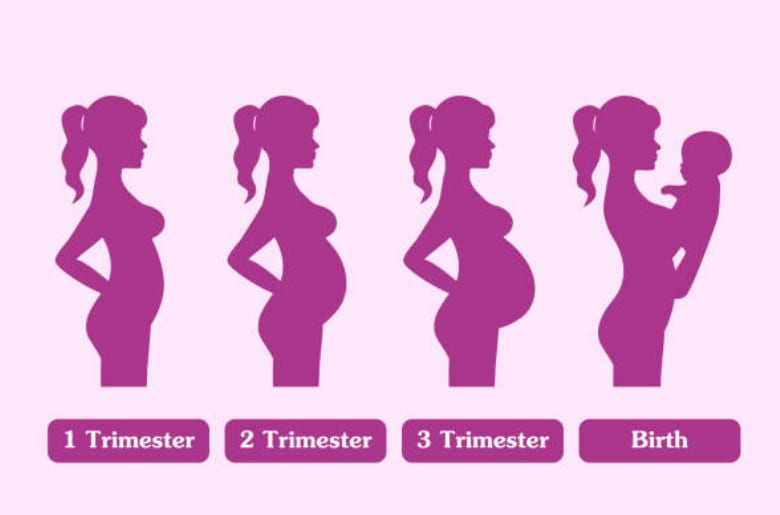
First trimester diagnosis focuses on confirming pregnancy and assessing early development.
What Usually Happens
- Confirmation of pregnancy
- Estimation of gestational age
- Monitoring early fetal growth
- Basic health assessments of the mother
Early diagnosis helps identify potential concerns and supports appropriate care planning.
Care & Support Approach
Proper first trimester care balances physical health, emotional well-being, and preventive measures.
Do’s for a Healthy Pregnancy
- Eat balanced, nutritious meals
- Stay hydrated throughout the day
- Get enough rest and sleep
- Maintain gentle physical activity if advised
- Manage stress through relaxation techniques
- Attend scheduled check-ups
Don’ts to Avoid
- Skipping meals
- Excess caffeine intake
- Smoking or alcohol consumption
- Self-medication
- Heavy physical exertion
- Ignoring unusual symptoms
Following these do’s and don’ts supports both maternal health and early fetal development.
Why Early Awareness Matters
Early awareness during the first trimester helps prevent complications before they become serious. Understanding body changes, recognizing warning signs, and adopting healthy habits can lower pregnancy risks and provide reassurance.
Being informed empowers expecting mothers to make confident decisions, seek timely help, and enjoy a smoother pregnancy journey.
Frequently Asked Questions:
What is the most important care during the first trimester?
Balanced nutrition, adequate rest, hydration, and avoiding harmful habits are key aspects of first trimester care.
Is nausea normal in early pregnancy?
Yes, nausea is common during the first trimester and usually improves as pregnancy progresses.
What should be avoided in the first trimester of pregnancy?
Alcohol, smoking, self-medication, excessive caffeine, and physical strain should be avoided.
Can stress affect early pregnancy?
High stress levels may impact overall well-being. Managing stress is important for a healthy pregnancy.
When should I seek medical help during the first trimester?
Seek medical guidance if you experience heavy bleeding, severe pain, persistent vomiting, or fainting.
Conclusion
The first trimester care do’s and don’ts for a healthy pregnancy form the foundation for a safe and positive journey ahead. By understanding early changes, following healthy practices, and staying alert to warning signs, expecting mothers can protect both their well-being and their baby’s development. Early care, awareness, and support make the first trimester a more confident and reassuring experience.