Vaginal Itching: Common Causes, Treatment & Prevention

Vaginal Itching: Common Causes, Treatment & Prevention

Vaginal itching can be uncomfortable, frustrating, and sometimes embarrassingbut it’s also very common. The key is understanding what’s causing it and how to treat it effectively.

Why Does Vaginal Itching Happen?

Itching can occur due to several reasons ranging from simple irritation to infections. While occasional itching may not be serious, persistent symptoms should not be ignored.

Common Causes

The most frequent causes include:

  • Yeast infections (fungal infections)
  • Bacterial infections
  • Allergic reactions (soaps, detergents, hygiene products)
  • Hormonal changes
  • Poor hygiene or excessive cleaning
  • Dryness

Identifying the cause is important because treatment varies accordingly.

Symptoms That Need Attention

Along with itching, you may notice:

  • Redness or swelling
  • Burning sensation
  • Unusual discharge
  • Pain during urination

These symptoms usually indicate an underlying infection.

Diagnosis & Treatment

A proper medical evaluation may include:

  • Physical examination
  • Lab tests if needed like Vaginal swab & blood test

Treatment may involve:

  • Antifungal or antibiotic medications
  • Avoiding irritants
  • Maintaining proper hygiene

Prevention Tips That Work

Simple habits can help prevent itching:

  • Wear breathable cotton underwear
  • Avoid scented products
  • Maintain good hygiene without over-washing
  • Stay dry and clean

Don’t Ignore Persistent Symptoms

Many women delay seeking help due to discomfort discussing the issue but timely care prevents complications and ensures faster relief.

Frequently Asked Questions

1. Is vaginal itching always due to infection?

No, it can also be due to irritation, allergies or dryness

2. Can it resolve on its own?

Mild cases may, but persistent itching needs medical attention.

3. Is it a serious condition?

Us ually not, but untreated infections can worsen over time.

 For accurate diagnosis and personalized care, consult our specialists at Little Stars & She Hospitals.

Brown Discharge Before Periods: What It Means & When to Worry

Brown Discharge Before Periods: What It Means & When to Worry

Noticing brown discharge before your period can be confusing and sometimes a little worrying. The good news is that in many cases, it’s completely normal. But understanding why it happens helps you know when it’s harmless and when it needs attention.

Why Does Brown Discharge Occur?

Brown discharge usually means old blood leaving the body. Unlike fresh red blood, older blood takes longer to exit the uterus and turns brown due to oxidation.

This commonly happens right before your period begins, as your body starts shedding the uterine lining.

Common Causes of Brown Discharge

In most women, brown discharge before periods is linked to natural hormonal changes. However, there are a few other possible reasons:

  • The beginning or end of your menstrual cycle
  • Hormonal fluctuations
  • Use of birth control pills or devices
  • Ovulation-related spotting
  • Early pregnancy (implantation bleeding)

These causes are usually not serious, especially if the discharge is occasional and not accompanied by other symptoms.

When Should You Be Concerned?

While occasional brown discharge is normal, certain signs should not be ignored:

  • Foul-smelling discharge
  • Itching or irritation
  • Lower abdominal pain
  • Frequent occurrence across cycles
  • Irregular or missed periods

These could indicate infections or hormonal imbalances that need medical evaluation.

How Is It Evaluated?

If needed, your doctor may suggest:

  • Physical examination
  • Hormonal tests
  • Ultrasound scan
  • Infection screening

The aim is to rule out any underlying condition and provide appropriate treatment.

What You Can Do

Maintaining a healthy lifestyle, tracking your menstrual cycle, and avoiding unnecessary stress can help regulate hormonal balance.

Most importantly, don’t self-diagnoseevery body is different, and expert guidance makes all the difference.

Frequently Asked Questions

1. Is brown discharge before periods normal?

Yes, in most cases it’s simply old blood and not a cause for concern.

2. Can it be a sign of pregnancy?

Sometimes, it may indicate implantation bleeding in early pregnancy.

3. When should I consult a doctor?

If it’s frequent, foul-smelling, or associated with pain or irregular cycles.

 For accurate diagnosis and personalized care, consult our specialists at Little Stars & She Hospitals.
Pain During Ovulation: Is It Normal or a Cause for Concern?

Pain During Ovulation: Is It Normal or a Cause for Concern?

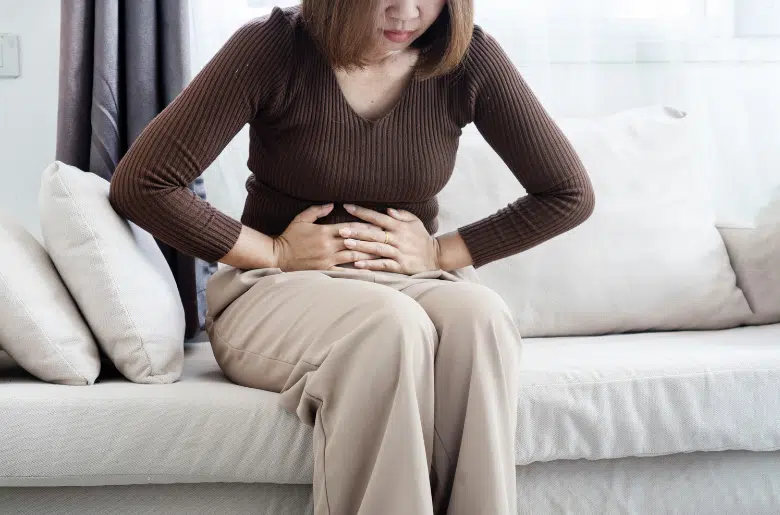
Many women experience a sharp or dull pain in the lower abdomen midway through their cycle. This is known as ovulation pain, or mittelschmerz.While it can be surprising, it’s often a natural part of the menstrual cycle.

Why Does Ovulation Pain Occur?

During ovulation, the ovary releases an egg. This process can cause:

  • Slight stretching of the ovary
  • Release of fluid or blood that irritates surrounding tissues

This results in mild discomfort or pain.

What Does Normal Ovulation Pain Feel Like?

  • Occurs mid-cycle
  • Mild to moderate discomfort
  • Lasts a few minutes to hours

When Is It Normal?

Pain may need attention if:

  • It is severe or worsening
  • Lasts more than 1–2 days
  • Is associated with nausea or fever

In such cases, conditions like ovarian cysts or infections may need to be ruled out.

Managing Ovulation Pain

Simple measures can help:

  • Warm compress
  • Hydration and rest
  • Mild pain relief medications

For frequent or severe pain, medical guidance is recommended.

Frequently Asked Questions

1. Does ovulation pain mean I’m fertile?

It indicates ovulation, but doesn’t guarantee fertility.

2. Can ovulation pain happen every month?

Yes, but intensity should remain mild.

3. Should I worry about sharp pain?

If it’s severe or persistent, consult a doctor.

 For accurate diagnosis and personalized care, consult our specialists at Little Stars & She Hospitals.
Scanty Periods: Should You Be Concerned About Light Flow?

Scanty Periods: Should You Be Concerned About Light Flow?

Not every menstrual concern is about heavy bleeding. For some women, the issue is the opposit every light or minimal flow, also known as scanty periods.

While it may seem harmless, changes in your menstrual pattern can sometimes signal underlying health conditions.

Understanding Scanty Periods

Scanty periods refer to unusually light bleeding that may last only a day or two, or involve just spotting.For some women, this may be completely normalbut for others, it may need attention.

Why Do Periods Become Lighter?

Scanty Periods

The most common reason is hormonal imbalance. When ovulation is irregular or absent, the uterine lining doesn’t build up enough to shed normally.

Other possible causes include:

  • PCOS
  • Sudden weight loss or excessive exercise
  • Stress and lifestyle changes
  • Thyroid disorders
  • Use of hormonal contraceptives
  • Perimenopause

When Is It Normal?

Light periods can be normal:

  • During early teenage years
  • While on birth control pills
  • As you approach menopause

However, sudden or unexplained changes should not be ignored.

Signs You Should See a Doctor

  • If your periods suddenly become very light
  • If you are trying to conceive
  • If light periods are accompanied by missed cycles

These could indicate ovulation issues or hormonal imbalance.

How Is It Treated?

Treatment focuses on restoring hormonal balance. This may include:

  • Lifestyle changes (nutrition, stress management)
  • Hormonal therapy
  • Addressing underlying conditions

Frequently Asked Questions

1. Can scanty periods affect fertility?

Yes, especially if ovulation is irregular.

2. Is it okay to have light periods every month?

If consistent and symptom-free, it may be normalbut evaluation is recommended.

3. Does stress play a role?

Absolutely. Stress can directly affect hormonal balance.

 For accurate diagnosis and personalized care, consult our specialists at Little Stars & She Hospitals.

Living with PCOS: Tips for Managing Symptoms and Boosting Well-Being

Living with PCOS: Tips for Managing Symptoms and Boosting Well-Being

Polycystic Ovary Syndrome (PCOS) is a health condition that affects women during their reproductive years. It involves a variety of symptoms and can lead to other health problems if not managed properly. Despite being widespread, PCOS is often misunderstood, leading to delays in diagnosis and treatment. This blog will explain what PCOS is, its causes, symptoms, and how it can be managed effectively.

What is PCOS?

PCOS occurs when a woman’s ovaries produce more male hormones (androgens) than usual. This imbalance can disrupt the normal function of the ovaries, leading to various symptoms. Women with PCOS may experience irregular periods, excessive hair growth, acne, and difficulties in getting pregnant. The term “polycystic” refers to the presence of many small cysts on the ovaries, which can be seen on an ultrasound.

Causes and Risk Factors

The exact cause of PCOS isn’t clear, but it’s believed to be due to a mix of genetic and environmental factors. Some key contributors include:

    • Insulin Resistance: Many women with PCOS have insulin resistance, meaning their body’s cells don’t respond well to insulin. This can cause higher insulin levels, which may trigger the ovaries to produce more androgens.

    • Hormonal Imbalance: An imbalance in the levels of hormones like estrogen, progesterone, and androgens is central to the development of PCOS.

    • Genetics: PCOS often runs in families, so if your mother or sister has it, you might be more likely to have it too.

Common Symptoms of PCOS

PCOS can cause a wide range of symptoms, which can differ in severity from one woman to another. The most common symptoms include:

    • Irregular Periods: Women with PCOS often have infrequent, irregular, or prolonged menstrual cycles, with some experiencing heavy bleeding.

    • Excess Androgen: Higher levels of androgens can lead to excess facial and body hair, severe acne, and thinning hair on the scalp.

    • Polycystic Ovaries: Enlarged ovaries with multiple small cysts are a key feature of PCOS and can be seen on an ultrasound.

    • Weight Gain: Many women with PCOS struggle with weight gain or find it difficult to lose weight, often due to insulin resistance.

    • Fertility Issues: PCOS is one of the leading causes of infertility because it can prevent the regular release of eggs (ovulation).

Potential Complications

If not managed, PCOS can lead to several long-term health problems, including:

    • Type 2 Diabetes: Women with PCOS are at a higher risk of developing type 2 diabetes, largely due to insulin resistance.

    • Heart Disease: PCOS increases the risk of heart-related issues like high blood pressure and high cholesterol.

    • Endometrial Cancer: Irregular periods can lead to a thickened uterine lining, which increases the risk of endometrial cancer.

    • Mental Health Issues: The physical and emotional impact of PCOS can lead to anxiety, depression, and other mental health challenges.

Managing PCOS

While there is no cure for PCOS, it can be managed effectively with a combination of lifestyle changes, proper treatment plan, medications, and sometimes surgery. Key management strategies include:

    1. Lifestyle Changes: Maintaining a healthy weight through a balanced diet and regular exercise is vital. Weight loss can improve insulin sensitivity, regulate menstrual cycles, and reduce symptoms like excess hair growth and acne.

    1. Medications: Various medications can help manage symptoms. Birth control pills can regulate periods and lower androgen levels. Anti-androgen medications can reduce excessive hair growth and acne. For those with insulin resistance, metformin may be prescribed to improve insulin sensitivity and control blood sugar levels.

    1. Fertility Treatment: For women with PCOS who want to conceive, treatments like clomiphene citrate, letrozole, or gonadotropins can be used to induce ovulation.

If you’re living with PCOS, it’s important to work with a healthcare provider to develop a personalized plan to manage symptoms and improve your overall well-being. At Little Stars and She Hospital, we specialize in women’s health, providing comprehensive and personalized care for PCOS management. Our team of experienced gynecologists and endocrinologists work closely with patients to offer tailored treatment plans, from lifestyle counseling and medication management to fertility support. What sets us apart is our holistic approach, integrating advanced medical care with a focus on patient education, mental well-being, and long-term health. We are dedicated to helping women lead healthier, symptom-free lives while empowering them with the knowledge to take control of their condition.