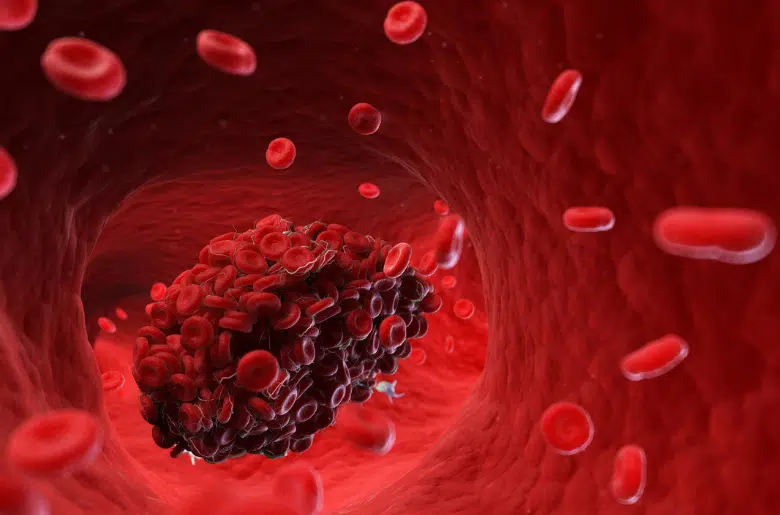
Heavy periods can be exhausting not just physically, but emotionally too. If your monthly cycle feels overwhelming, disrupts your daily routine, or leaves you feeling constantly tired, it may not be “just normal periods.”
In medical terms, heavy menstrual bleeding is called menorrhagia. While many women experience occasional variations in flow, consistently heavy periods should never be ignored.
What Exactly Are Heavy Periods?
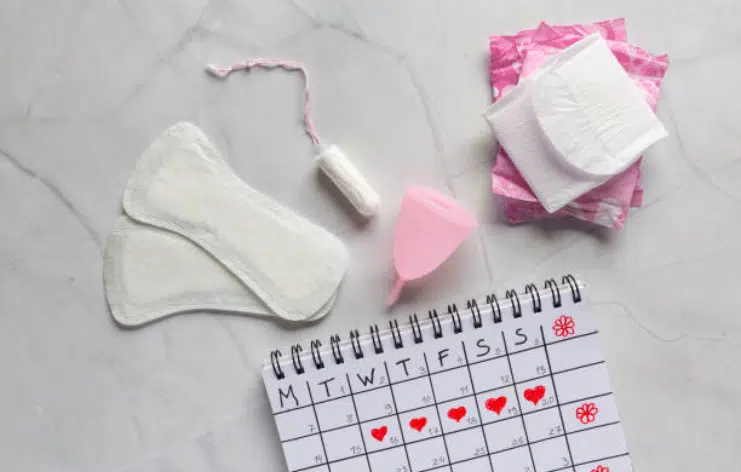
A period is considered heavy if:
- You need to change pads or tampons every 1–2 hours
- Need to getup & change during nights.
- Bleeding lasts longer than 7 days
- You pass large blood clots
- You feel weak, dizzy, or fatigued during your cycle
These signs often indicate that your body needs attention.
What Causes Heavy Menstrual Bleeding?

Heavy periods can happen for several reasons. In many cases, it’s linked to hormonal imbalanceespecially when estrogen and progesterone levels are not in sync.
Other common causes include:
- Uterine fibroids or polyps
- Conditions like PCOS
- Thyroid disorders
- Certain contraceptive methods (like IUDs)
- Blood clotting disorders
Each cause requires a different approach, which is why proper diagnosis is important.
When Should You Be Concerned?
Many women normalize heavy bleeding for years. But if your periods are affecting your daily life, causing fatigue, or interfering with work and sleep If you have persistent loud hemoglobin it’s time to seek medical advice.
Ignoring symptoms can lead to complications like anemia, which can significantly impact your overall health.
How Is It Diagnosed?
Your doctor may recommend:
- Blood tests to check for anemia or hormonal imbalance
- Ultrasound scans to evaluate the uterus
- Additional tests based on your symptoms
The goal is to identify the root causenot just manage symptoms.
Treatment Options That Actually Help
Treatment depends on the underlying issue. Options may include:
- Life style changes & diet.
- Hormonal medications to regulate cycles
- Non-hormonal medicines to reduce bleeding
- Iron supplements if anemia is present
- Advanced procedures in more severe cases
With the right care, heavy periods can be effectively managed.
Take Control of Your Health
You don’t have to “live with it.” Heavy periods are treatable, and early care can make a significant difference in your quality of life.
Frequently Asked Questions:
1. Can heavy periods be normal?
Occasional changes are normal, but consistently heavy bleeding needs evaluation.
2. Do heavy periods affect fertility?
In some cases, yesespecially if caused by hormonal or uterine conditions.
3. Can lifestyle changes help?
They can support treatment, but medical evaluation is still important.
If you’re experiencing heavy bleeding, consult our gynecology experts at Little Stars & She Hospitals for the right diagnosis and care.