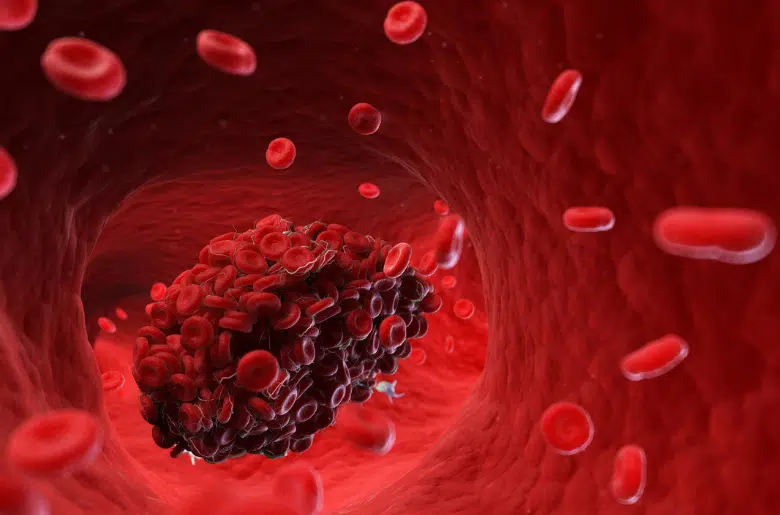
You’ve had a hysterectomy. You expected the usual recovery some fatigue, hormonal shifts, maybe a few mood changes. But what you didn’t anticipate was the creeping joint pain, the morning stiffness, or the feeling that your body suddenly aged overnight. If this sounds familiar, you’re not alone. For many women, a hysterectomy often advised by a gynecologist to address conditions like fibroids or endometriosi isn’t just the end of a medical chapter. It’s the start of a new one that sometimes includes unexpected symptoms like joint discomfort or even signs of rheumatoid arthritis (RA). So what’s really going on? Is it hormonal? Autoimmune? Or just coincidental? Let’s unpack the science and find out what you can do next.
Can Hysterectomy Trigger Rheumatoid Arthritis?
Short answer? Not directly but there’s definitely a link.
A hysterectomy doesn’t cause rheumatoid arthritis, but it can create conditions that trigger it especially if your ovaries were removed. That sudden drop in estrogen can disrupt immune regulation and increase inflammation. If you were already predisposed, this hormonal shift might be the tipping point. So when joint pain shows up after surgery, it’s worth paying attention it may be more than just routine recovery.
Why Rheumatoid Arthritis May Appear After Hysterectomy
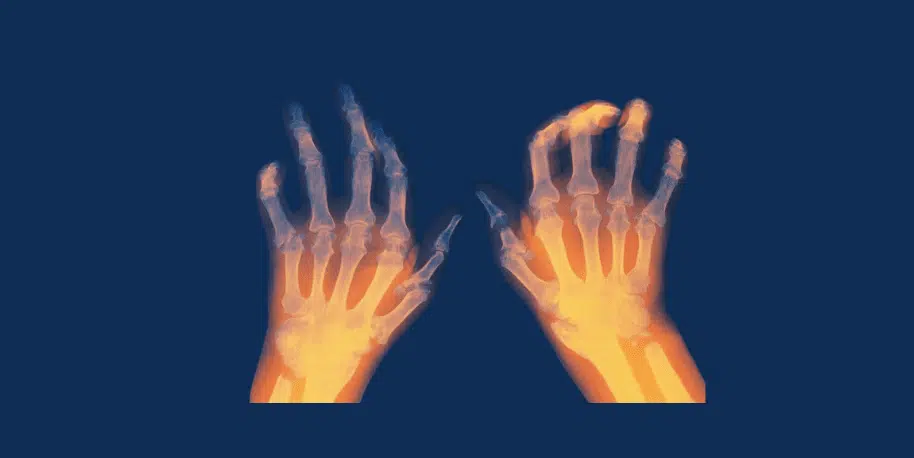
Let’s talk about estrogen because its role goes far beyond reproduction.
Estrogen isn’t just responsible for periods and pregnancy. It plays a key role in maintaining joint flexibility, bone strength, and immune regulation. In fact, it helps keep inflammation in check and supports overall systemic balance.
When estrogen levels drop suddenly such as after ovary removal during a hysterectomy the body can lose that protective balance. This hormonal shift may contribute to immune dysregulation, where the body mistakenly targets its own joints, increasing the risk of autoimmune conditions like rheumatoid arthritis.
Importantly, these changes don’t always happen overnight. Symptoms may emerge gradually starting with joint stiffness, fatigue, or persistent swelling. That’s why recognizing early signs after hysterectomy is crucial for timely care.
Common Symptoms to Watch For
So, how do you know if you’re just dealing with post-op soreness or something more serious?
Here’s what to look out for:
- Joint stiffness that lingers in the morning more than just “a bit creaky”
- Swollen fingers or knees that feel warm to the touch
- Fatigue that no nap can fix
- Pain in matching joints on both sides (like both wrists or knees)
- Tasks like buttoning shirts or brushing your hair suddenly feel harder
These are hallmark RA symptoms after hysterectomy. And while they might feel subtle at first, they often intensify with time.
When to Seek Medical Advice
Post-surgery healing brings a range of new sensations, and it’s common to wonder what’s normal. But if something doesn’t feel right, it’s important to listen to your body not second-guess it.
You should consider seeing a specialist if:
● You wake up with stiff joints every morning
● Pain seems to worsen over time instead of improving
● Your joints appear swollen, red, or warm to the touch
● You’re experiencing deep fatigue that’s unusual for you
Early evaluation is key. When rheumatoid arthritis is caught soon after symptoms begin, treatment is more effective and long-term joint damage can often be prevented.
Diagnosing RA After Hysterectomy
Diagnosing RA isn’t one-size-fits-all—especially after a hysterectomy.
Rheumatoid arthritis is rarely confirmed with a single symptom or test. And when hormones are shifting, it can make the picture even more complex. That’s why at Little Stars & She Women and Children’s Hospital, we take a thorough, multi-layered approach:
- A detailed physical exam to assess joint tenderness, swelling, and movement
● Blood tests to check for inflammation (like CRP and ESR) and autoimmune markers (such as rheumatoid factor and anti-CCP)
● Imaging studies, including X-rays or ultrasounds, to detect early joint changes
● Hormonal evaluations to assess estrogen levels and identify imbalances post-hysterectomy
By piecing these clues together, we can pinpoint whether RA is the root cause or if another factor is at play. Our multidisciplinary team including gynecologists, endocrinologists works together to ensure both hormonal and autoimmune factors are addressed in your care.
Lifestyle Tips for Managing RA After Hysterectomy
Here are some ways to take back control without flipping your entire life upside down:
- Move every day. Even a short walk or gentle yoga can keep your joints happy.
- Focus on an anti-inflammatory diet think salmon, leafy greens, berries, nuts, turmeric.
- Sleep like it’s your job. Your immune system resets while you rest.
- Lower stress. Meditation, deep breathing, reading… whatever brings you peace.
- Ask your doctor about hormone replacement therapy (HRT). For some, it helps stabilize the hormone imbalance after hysterectomy and reduces RA flare-ups.
Managing RA isn’t about perfection. It’s about progress little daily wins that add up to big relief.
Frequently Asked Questions
Q1. Can a hysterectomy cause joint pain or arthritis?
Yes, especially if your ovaries were removed. The drop in estrogen can lead to joint pain after hysterectomy and may trigger or worsen autoimmune symptoms in some women.
Q2. Is there a link between estrogen loss and rheumatoid arthritis?
Definitely. Estrogen has a calming effect on inflammation. Losing it especially suddenly can disrupt immune regulation and increase the risk of developing rheumatoid arthritis.
Q3. How soon after a hysterectomy can rheumatoid arthritis symptoms appear?
It varies. Some women notice symptoms within weeks, while others may take months. It depends on your hormone levels, immune function, and genetic makeup.
Q4. Does hormone replacement therapy help prevent RA after hysterectomy?
In many cases, yes. HRT can reduce inflammation and joint pain related to estrogen loss. But it’s not for everyone speak with your doctor to see if it’s a good fit for you.
Q5. What are early signs of rheumatoid arthritis after hysterectomy?
Look for morning stiffness, swelling in joints, symmetrical pain, fatigue, and difficulty with everyday movements. These could be early RA symptoms after hysterectomy and should be evaluated by a specialist.
References
- https://www.ncbi.nlm.nih.gov/pmc/articles/PMC3998009/
- https://www.arthritis.org/health-wellness/about-arthritis/understanding-arthritis/hormones-autoimmune-connection
Disclaimer: The content shared on this page is for informational purposes and not for promotional use.