
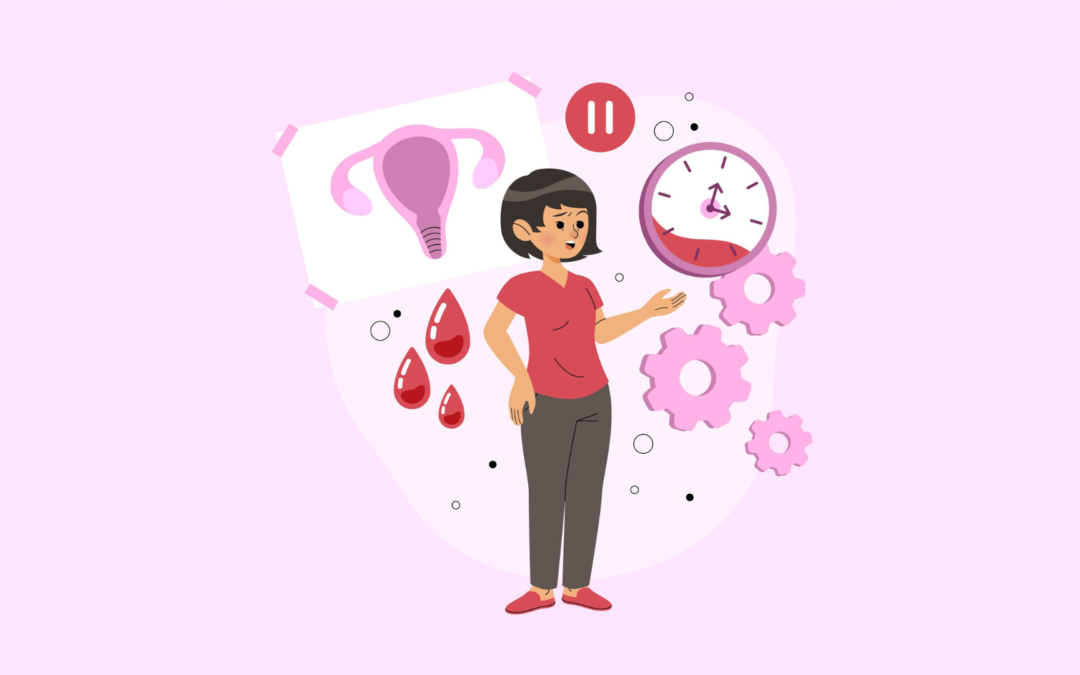
Can Stress Delay Periods?
Many women notice changes in their menstrual cycle during stressful times. A common concern is: can stress delay periods? The answer is yes. Stress can affect the delicate balance of hormones that control your menstrual cycle, sometimes causing delays, missed periods, or irregular bleeding.
Understanding how stress impacts periods can help reduce worry and encourage timely care when needed. This article explains the connection in a simple, reassuring way.
How Can Stress Delay Periods?
When people ask “can stress delay periods?”, they are referring to changes in the menstrual cycle caused by emotional or physical stress.

Your periods are regulated by hormones released from the brain and ovaries. Stress can interfere with these signals, slowing or temporarily stopping ovulation. When ovulation is delayed, your period may also come later than expected.
This is usually temporary and improves once stress levels reduce.
Causes / Risk Factors
Several types of stress can affect menstrual timing:
- Emotional Stress
- Work pressure or exams
- Family or relationship concerns
- Anxiety or prolonged worry
- Major life changes
- Physical Stress
- Sudden weight loss or intense exercise
- Lack of proper sleep
- Illness or recovery from surgery
- Lifestyle Factors
- Poor eating habits
- Irregular daily routine
- Travel or disrupted sleep cycles
- Change of City
- Night Shifts
Not everyone responds to stress the same way. Some women may see a slight delay, while others may miss a cycle.
Symptoms & Signs

If stress is affecting your cycle, you may notice:
- Delayed or missed periods
- Irregular cycle timing
- Lighter or heavier bleeding than usual
- Increased cramps or discomfort
- Mood changes or fatigue
- These symptoms often resolve once stress is managed and hormonal balance returns
Diagnosis Overview
When periods are delayed, doctors first try to understand the overall picture.
This usually includes:
- Reviewing menstrual history
- Discussing recent stress or lifestyle changes
- Checking for other symptoms
- Basic evaluations if delays continue
Stress-related delays are diagnosed after ruling out other common causes of irregular periods. Early assessment helps provide clarity and peace of mind.
Care & Support Approach
Managing stress plays a key role in restoring regular periods.
- Supportive care may include:
- Maintaining a regular sleep schedule
- Eating balanced, nourishing meals
- Gentle physical activity
- Relaxation techniques like deep breathing or mindfulness
- Emotional support from family or professionals
- Listening to your body and allowing time for recovery can help your cycle normalize naturally.
Why Early Awareness Matters
Understanding that stress can delay periods prevents unnecessary worry and panic.
Early awareness helps you:
- Recognize normal, temporary changes
- Avoid self-blame or fear
- Seek medical advice when delays persist
- Maintain overall reproductive health
If periods are delayed repeatedly or for several months, it’s important to seek professional guidance.
Frequently Asked Questions
1. Can stress delay periods even if my cycle is usually regular?
Yes. Even women with very regular cycles may experience delayed periods during high stress.
2. How long can stress delay a period?
Stress may delay a period by a few days to several weeks, depending on the Individual.
3. Can stress completely stop periods?
Severe or prolonged stress can temporarily stop periods, but they often return once stress reduces.
4. Can stress delay periods without other symptoms?
Yes. Sometimes a delayed period is the only noticeable change.
5. When should I be concerned about delayed periods?
If periods are delayed for more than two cycles or occur frequently, medical evaluation is advised.
Conclusion
So, can stress delay periods? Absolutely. Stress can disrupt hormonal signals and temporarily affect your menstrual cycle. In most cases, this is not serious and improves with proper care, rest, and emotional support.
Disclaimer: The content shared on this page is for informational purposes and not for promotional use.


 HPV stands for Human Papillomavirus, a group of more than 150 related viruses. It’s primarily transmitted through intimate skin-to-skin contact, often during sexual activity. While most infections are temporary and go unnoticed, persistent HPV—especially high-risk types—can cause precancerous changes and even cancers of the cervix, vagina, vulva, anus, and throat.
 Yes, you can. Whether you’ve had a partial hysterectomy (where the cervix is left intact) or a total hysterectomy (where the cervix is removed), the possibility of HPV lingering remains. This is because the virus may reside in the vaginal or vulvar tissues or even in areas not removed during surgery.


