Fetal Development Week by Week: A Comparative Analysis of Your Baby’s Growth The journey of pregnancy is both beautiful and exciting. Gaining insight into your baby’s weekly growth and development might help you better relate to the changes taking place in your body. We’ve simplified this by comparing your baby’s size to well-known fruits that you can identify with.
Early Life Stages of the First Trimester (0–13 Weeks)
Your baby is developing vital organs and growing quickly during the first trimester
Week 4
The Baby is 1 mm in size, about the size of a poppy seed. The fertilised egg joins the uterus at this point.
Week 5
The Baby reaches 2 mm, about the size of a sesame seed. The formation of the brain and spinal cord is beginning.
Week 6
The Baby reaches 4-5 mm, about the size of a lentil. The heart starts beating.
Week 7
The baby is about the size of a chickpea at 10 mm. Legs and arms begin to develop.
Week 8
The Baby is 14 mm in size, about the size of a kidney bean. Limb buds start to develop.
Week 9
The Baby is roughly 23 mm in size, or the size of a Grape. Internal organs arestarting to take shape.
Week 10
The Baby is 3 cm in size, about the size of a olive. The baby’s facial characteristics begin to grow, giving them a more human appearance.
Week 11
The Baby measures 4.5 cm, about the size of a fig. The Baby is now moving.
Week 12
The Baby measures 5.5 cm, or the size of a plum. The baby’s face is complete, and its activity level is increasing.
Second Trimester: Development and Motion (14–27 Weeks): Baby can Feel and hear you.The baby’s organs develop during the second trimester, and you can start to feel the baby move. Your baby’s growth throughout this trimester is as follows:
Week 14
The Baby is now 8.7 cm in size, or the size of a Lemon. The Baby is capable of making facial emotions
Week 15
The Baby measures 10.1 cm, or the size of an apple. The Baby’s bones are beginning to solidify.
Week 16
The Baby measures 11.6 cm, or the size of an avocado. The skin of the Baby is beginning to take shape.
Week 17
he Baby is 13 cm in size, about the size of an onion. You may begin to feel tiny movements.
Week 18
The Baby is 14.2 cm in size, about the size of a sweet potato. The Baby’s kidneys and heart are functioning.
Week 19
At 15.3 cm, the baby is the size of a mango. A layer of protection covers the skin.
Week 20
The Baby is 16.5 cm in length, about the size of a banana. The Baby is moving more and swallowing.
Week 21
The Baby measures 26.7 cm, or the size of a Carrot. More details are being added to the baby’s face.
Week 22
At 27.8 cm, the baby is the size of a papaya. The Baby is now able to hear sounds.
Week 23
he Baby measures 28.9 cm, or the size of a grapefruit. The lungs are preparing to breathe.
Week 24
The Baby is 30 cm in size, about the size of a coconut. The Baby has opened its eyes.
Week 25
At 34.6 cm, the baby is the size of corn on the cob. The Baby is becoming stronger and gaining weight.
Week 26
The Baby measures 35.6 cm, or the size of a bottle gourd. The Baby’s immune system is growing more robust.
Week 27
At 36.6 cm, the baby is the size of a cauliflower. The Baby is preparing for life beyond the womb.
28–40 Weeks of the Third Trimester: All Set to Meet You Your baby gets bigger and gets ready to be born throughout the third trimester. Here’s how your Baby stacks up against fruits in the last stretch:
Week 28
At 37.6 cm, the baby is the size of an Large Brinjal. The Baby is getting heavier.
Week 29
At 38.6 cm, the baby is the size of a pumpkin. The skin of the Baby gets smoother.
Week 30
At 39.9 cm, your baby is the size of a cabbage. The Baby begins to practise breathing.
Week 31
The Baby is 41.1 cm in size, about the size of a giant coconut. The Baby is moving more.
Week 32
At 42.4 cm, the baby is the size of a pineapple. The Baby is positioning itself for delivery.
Week 33
The Baby is 43.7 cm in size, about the size of a jackfruit. The baby’s lungs and brain are growing quickly.
Week 34
Your Baby is 45 cm in size, around the size of a large papaya. The organs of the Baby are nearly ready.
Week 35
The Baby is 46.2 cm in size, about the size of a honeydew melon. The body of the Baby is growing.
Week 36
At 47.4 cm, the baby is the size of a watermelon. The Baby is preparing to be born.
Week 37
The Baby is 48.6 cm in size, about the size of a muskmelon. The lungs of the Baby are fully formed.
Week 38
At 49.8 cm, the baby is the size of a large watermelon. The baby is nearly ready for delivery.
Week 39-40
Your baby is ready to meet the world and is about the size of a pumpkin (50–52 cm).
From a tiny poppy seed to the size of a pumpkin, your baby’s growth journey is amazing. Each week brings new developments, and comparing the baby’s size to fruits makes it easier to understand. It’s a special time, and knowing how your baby grows helps make the experience even more memorable.
Make sure to visit your doctor regularly to track your baby’s growth and development, as every pregnancy is unique. Enjoy the journey, and remember, your baby is growing stronger each day!
Type 2 Diabetes, a chronic condition, affects how the body processes glucose for energy. While traditionally associated with adults, the increasing prevalence of childhood obesity has led to more diagnoses in children and adolescents.
This condition impairs the body’s ability to regulate blood sugar levels effectively. Without proper management, it can lead to long-term health complications. However, with a balanced diet, regular physical activity, and maintaining a healthy weight, Type 2 Diabetes can often be managed or even prevented in children.
Symptoms of Type 2 Diabetes in Children
The onset of Type 2 Diabetes in children can be subtle, sometimes showing no noticeable symptoms. It is often identified during routine check-ups. However, signs to watch for include:
Increased thirst and frequent urination.
Persistent hunger despite eating adequately.
Fatigue and irritability.
Blurry vision.
Darkened skin areas, especially around the neck, armpits, or groin.
Slow-healing wounds or frequent infections.
“If your child exhibits any of these symptoms, or if they are overweight with additional risk factors, consult a healthcare provider promptly.”
Causes of Type 2 Diabetes in Children
While the exact cause remains unknown, certain factors contribute to the development of this condition:
Insulin Resistance: Cells become less responsive to insulin, leading to higher blood sugar levels.
Insufficient Insulin Production: The pancreas may not produce enough insulin to regulate glucose effectively.
Genetic and Environmental Influences: Family history and lifestyle choices play a significant role.
Risk Factors
Several factors increase a child’s likelihood of developing Type 2 Diabetes, including:
Weight: Obesity is the most significant risk factor, as excess fatty tissue leads to insulin resistance.
Inactivity: Sedentary lifestyles exacerbate the risk.
Unhealthy Diet: Diets high in processed foods, sugary beverages, and unhealthy fats contribute to the condition.
Family History: Having a parent or sibling with Type 2 Diabetes increases risk.
Ethnicity: Children of Indian, Asian, African, or Hispanic descent are at higher risk.
Maternal Gestational Diabetes: Exposure during pregnancy elevates risk later in life.
Metabolic Syndrome: A cluster of conditions, including high blood pressure and cholesterol, often coexists with Type 2 Diabetes.
Complications
If unmanaged, Type 2 Diabetes can lead to severe complications over time, such as:
Cardiovascular diseases, including heart attack and stroke.
Nerve damage, causing pain or numbness.
Kidney damage, potentially leading to failure.
Vision problems, including blindness.
Increased vulnerability to infections.
Prevention of Complications:
Maintaining good blood sugar control and promoting a healthy lifestyle can significantly reduce the risk of these complications.
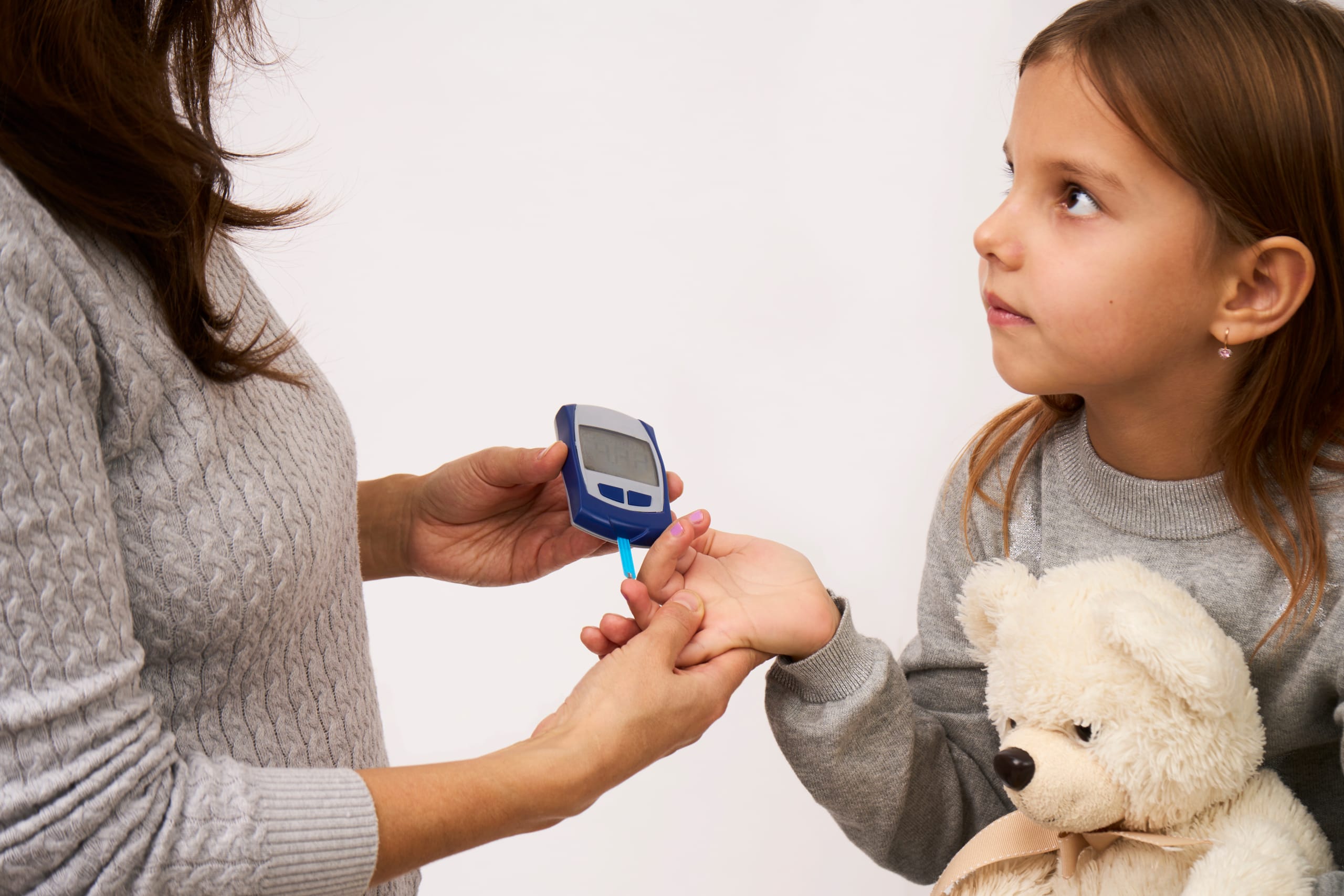
Type 1 Diabetes, previously known as Juvenile Diabetes or Insulin-Dependent Diabetes Mellitus (IDDM), is a chronic condition that affects how the body processes blood sugar. This condition arises when the pancreas produces little to no insulin, a hormone essential for regulating blood sugar levels.
In children and adolescents, Type 1 Diabetes usually manifests when around 80% of the insulin-producing beta cells in the pancreas are no longer functional. As a result, insulin replacement through injections or an insulin pump becomes necessary for survival and health.
Symptoms of Type 1 Diabetes in Children
Parents and caregivers should be vigilant for the following warning signs:
Increased thirst (polydipsia).
Frequent urination (polyuria), including bed-wetting in previously toilet-trained children.
Unintentional weight loss despite increased hunger (polyphagia).
Fatigue, irritability, or sudden behavior changes.
Nausea, vomiting, or headaches.
Blurred vision and fruity-smelling breath.
Sweating and rapid heart rate.
Early detection and medical attention are crucial to managing the condition and preventing complications.
What Causes Type 1 Diabetes in Children?
The exact cause remains unknown. However, research suggests a combination of genetic and environmental factors triggers the immune system to attack and destroy the insulin-producing islet cells in the pancreas.
Key factors include:
Genetics: Certain genes increase susceptibility.
Family history: Having a parent or sibling with Type 1 Diabetes slightly raises the risk.
Environmental triggers: Viral infections might play a role in the autoimmune reaction.
Without insulin, sugar builds up in the bloodstream, depriving the body’s cells of energy and potentially causing life-threatening complications if untreated.
How Is Type 1 Diabetes Treated in Children?
While there is no cure, modern advancements have made managing Type 1 Diabetes more effective and less invasive. Treatment focuses on:
Regular blood sugar monitoring: Essential for maintaining stable levels.
Insulin therapy: Administered via injections or an insulin pump.
A balanced diet: Emphasis on carbohydrate counting and nutritional counseling.
Self-care education: Empowering children and parents with knowledge about diabetes management.
Parents play a pivotal role in ensuring their child follows the treatment plan consistently.
You Can Help Your Child Prevent Diabetes Complications By
Maintaining good blood sugar control: Consistent monitoring and appropriate insulin dosing can significantly reduce complications.
Encouraging healthy habits: Lead by example with a nutritious diet and regular exercise.
Scheduling regular medical check-ups: Work closely with your child’s healthcare team to address issues early.
Complications Associated with Type 1 Diabetes in Children
When blood sugar levels are not well-managed, complications can develop over time:
Heart and blood vessel disease: Increased risk of high blood pressure, stroke, and heart problems in adulthood.
Nerve damage: Tingling, pain, or numbness due to damaged blood vessels supplying the nerves.
Kidney damage: Impaired filtering of waste from the blood.
Vision problems: Retinal damage can lead to vision loss.
Osteoporosis: Reduced bone density in adulthood.
Other autoimmune disorders: Conditions like thyroid disease or celiac disease are more common.
Proactive management can significantly lower the chances of these complications.
Can Type 1 Diabetes in Children Be Prevented?
Currently, there is no guaranteed way to prevent Type 1 Diabetes. However, ongoing research is focused on:
Identifying those at high risk by detecting antibodies years before symptoms appear.
Developing therapies to delay the onset of the disease.
Preventing further destruction of the islet cells in newly diagnosed individuals.
Parents should stay informed about new advancements and consult healthcare professionals regularly.
Conclusion
Understanding Type 1 Diabetes in children is essential for timely diagnosis and effective management. While the condition can be challenging, advances in treatment and proactive care have significantly improved the quality of life for children with diabetes.
By fostering a supportive environment and maintaining good blood sugar control, parents can help their children lead happy and healthy lives. Always consult your child’s healthcare provider for personalized advice and care strategies.
In the world of healthcare, there’s one crucial element that underpins everything: accurate diagnosis. It’s the starting point of the journey towards better health and well-being. We’ll explore why diagnostic accuracy is paramount in healthcare, touching upon its far-reaching impact on patients, healthcare providers, and the healthcare system at large.
Prompt Treatment and Effective Management
Imagine this: you’re not feeling well, but your doctor accurately pinpoints the issue right away. This means timely treatment, quicker relief, and less suffering. Accurate diagnosis helps prevent illnesses from progressing, which ultimately makes healthcare more efficient and effective.
A-Pillar of Patient Safety
Patient safety is non-negotiable. A wrong diagnosis can lead to incorrect treatments, unnecessary procedures, or even life-threatening delays in care. Precise diagnoses minimize these risks, ensuring patients stay safe throughout their healthcare journey.
Trust Between Patients and Providers
Trust in healthcare is everything. Patients are more likely to trust their healthcare team when they see that their diagnoses are on point and that treatments are effective. This trust is the foundation for open communication and patient compliance.
A Vital Tool for Disease Surveillance
During public health crises, precise diagnoses are a lifeline. They enable swift containment efforts and reduce the spread of diseases, safeguarding communities from outbreaks.
Reliable Research and Data
Accurate diagnoses are the bedrock of medical research and data analysis. Researchers rely on precise diagnostic information to study diseases, treatments, and outcomes effectively. It also empowers healthcare organizations and policymakers to make informed decisions to enhance care quality.
Legal and Ethical Considerations
Accurate diagnosis isn’t just about medicine; it’s about ethics and the law too. Healthcare providers have a legal and ethical duty to offer competent and precise diagnoses. Errors can lead to legal troubles and damage a provider’s reputation.
Embracing Personalised Medicine
The era of personalized medicine hinges on precise diagnoses. It’s about tailoring treatment plans to each patient’s unique characteristics. Accurate diagnoses form the foundation of this revolutionary approach to healthcare.
At ‘Little Stars & She,’ we understand the paramount importance of diagnostic accuracy, especially when it comes to the health of children and women. We take every precaution to ensure our diagnoses are as accurate as can be because we know that accuracy is the key to better health outcomes.
So, whether you’re a parent seeking care for your child or a woman in need of specialized healthcare, rest assured that ‘little stars & she’ is committed to providing you with the most accurate diagnoses and the highest quality care. Your health is our top priority, and we’re here to guide you on your journey towards better well-being.
Conclusion
In conclusion, diagnostic accuracy is the linchpin of healthcare. It paves the way for timely treatment, patient safety, cost-effective care, and trust between patients and providers. It’s a vital tool for disease surveillance, research, and ethical practice.
Dengue fever is a viral illness spread by mosquitoes, especially Aedes aegypti. It is common in tropical and subtropical regions like india
Symptoms of Dengue Fever
Dengue fever presents with a range of symptoms, which usually appear 4-10 days after a mosquito bite. Common symptoms include:
High Fever: Often starts suddenly and can reach up to 104°F (40°C). The fever typically lasts for 2-7 days.
Severe Headache: This pain is usually located behind the eyes and can be quite intense.
Muscle and Joint Pain: This can be severe and is sometimes intense.
Nausea and Vomiting: These symptoms may occur along with fever.
Rash: A rash may develop a few days after the onset of fever, sometimes looking like a measles-like rash.
Mild Bleeding: Symptoms might include nosebleeds, bleeding gums, or easy bruising.
How Dengue Fever Spreads
Dengue fever is spread through the bite of an infected Aedes mosquito. These mosquitoes are most active during early morning and late afternoon. The virus is not transmitted from person to person through direct contact, but only through mosquito bites.
Repellents: Use insect repellent on exposed skin. Look for products with DEET, picaridin, or oil of lemon eucalyptus, which are effective in repelling mosquitoes.
Protective Clothing: Wear long-sleeved shirts, long pants, socks, and shoes to minimize skin exposure, especially during peak mosquito activity times.
Mosquito Nets: Use mosquito nets while sleeping, particularly in areas where dengue is common.
Reduce Mosquito Breeding Sites:
Eliminate Standing Water: Mosquitoes breed in stagnant water. Regularly empty and clean containers such as buckets, flower pots, and pet baths.
Cover Water Storage: Ensure that any water storage containers are tightly covered to prevent mosquitoes from laying eggs.
Use Mosquito Screens: Install or repair screens on windows and doors to keep mosquitoes out of your home.
When to Seek Medical Attention
It is crucial to seek medical care if your child shows symptoms of dengue fever. Early medical attention can prevent complications. Immediate care should be sought if any of the following severe symptoms occur:
Persistent Vomiting: Repeated vomiting can lead to dehydration.
Severe Abdominal Pain: Pain in the stomach area, especially if severe or persistent.
Bleeding Symptoms: Signs include bleeding gums, nosebleeds, or unusual bruising.
Extreme Fatigue: If your child appears unusually tired or restless.
Difficulty Breathing: Trouble breathing or feeling short of breath.
Diagnosis and Treatment
Dengue Diagnosis:
Blood Tests: Diagnosis is confirmed through blood tests that detect the dengue virus or antibodies produced in response to the infection.
Dengue Treatment:
Supportive Care: There is no specific antiviral treatment for dengue fever. Management focuses on relieving symptoms and providing supportive care.
Hydration: Ensure your child stays well-hydrated. Oral rehydration solutions and clear fluids are recommended.
Fever Management: consult your doctor for management of fever and pains. Avoid using NSAIDs like ibuprofen or aspirin as they can increase bleeding risk.
Monitoring: Regular monitoring of symptoms is crucial. In severe cases, hospitalization may be required for intravenous fluids and close observation.
Recognizing Severe Dengue
Severe dengue, also known as dengue hemorrhagic fever or dengue shock syndrome, requires immediate medical attention. Look for signs such as:
Rapid Deterioration: Sudden worsening of symptoms or severe illness.
Severe Bleeding: Including bleeding from the gums or in vomit or stool.
Severe Abdominal Pain: Intense pain in the abdominal area.
Difficulty Breathing: Shortness of breath or difficulty breathing.
Most dengue cases are mild and can be managed effectively with appropriate care and attention. It’s important to remain vigilant and seek medical help if symptoms worsen.
FAQ’s in Dengue
1.How long does dengue fever last?
Dengue fever typically lasts about 2-7 days. The fever usually subsides within this period, but some symptoms, like fatigue, may linger for a few more days.
2.Is dengue fever contagious?
No, dengue fever is not contagious. It is only transmitted through mosquito bites from infected Aedes mosquitoes, not through direct contact with an infected person.
3.How often should I monitor my child’s temperature if they have dengue fever?
Monitor your child’s temperature regularly, at least every 4-6 hours, especially during the first few days of illness when fever is most likely to fluctuate. Record any changes and report significant variations to your healthcare provider.
4.How can I manage my child’s fever at home?
To manage your child’s fever:
Hydration: Ensure your child drinks plenty of fluids, such as water, clear soups, and oral rehydration solutions.
Medication: Use acetaminophen to manage fever and pain, as advised by your healthcare provider. Avoid aspirin and NSAIDs like ibuprofen.
Comfort Measures: Keep your child cool with lightweight clothing and a comfortable room temperature. Use a fan or cool compresses if needed.
5.What should I do if my child develops a rash with dengue fever?
A rash can appear a few days after the onset of fever. Monitor the rash and look for other symptoms. If the rash is accompanied by severe symptoms such as difficulty breathing or bleeding, seek medical attention immediately.
How can I tell if my child’s condition is worsening?
Watch for signs that indicate worsening of the condition, including:
Persistent or worsening abdominal pain
Increasing lethargy or irritability
Frequent vomiting
Signs of bleeding (e.g., blood in vomit or stools, extensive bruising)
Difficulty breathing
What is the difference between dengue fever and dengue hemorrhagic fever?
Dengue Fever: The most common form, with symptoms like high fever, headache, joint and muscle pain, rash, and mild bleeding.
Dengue Hemorrhagic Fever (DHF): A more severe form that involves bleeding, blood plasma leakage, and potentially shock. It requires immediate medical attention and hospitalization.
Can dengue fever cause long-term effects?
Most children recover from dengue fever without long-term effects. However, severe cases can lead to complications that may affect overall health. It is important to follow medical advice and attend follow-up appointments to ensure complete recovery.
Is there a special diet that my child should follow during dengue fever?
While there is no special diet for dengue fever, ensure that your child stays well-hydrated and consumes easily digestible foods. Provide a balanced diet with plenty of fluids, and avoid heavy or spicy foods that may irritate the stomach.
What should I do if my child’s symptoms improve but then worsen again?
If your child’s symptoms improve and then suddenly worsen, seek medical attention immediately. This could be a sign of complications or progression to a more severe form of dengue.
What should I do if my child’s condition stabilizes but they continue to have high fever?
If your child’s condition stabilizes but they continue to have high fever:
Ensure Hydration: Continue to provide plenty of fluids to prevent dehydration.
Medication: Use acetaminophen as directed by your healthcare provider to manage fever.
Seek Advice: Consult your healthcare provider if the fever persists for more than a few days or if other symptoms develop.
Can my child go to school or participate in activities while recovering from dengue fever?
Your child should rest and avoid strenuous activities while recovering from dengue fever. Follow your healthcare provider’s advice regarding when it is safe for your child to return to school or resume normal activities.
Can dengue fever be transmitted through breast milk?
No, dengue fever is not transmitted through breast milk. The dengue virus is spread through mosquito bites, not through breast milk or other bodily fluids.
What should I do if my child is recovering from dengue fever but has low appetite?
If your child has a low appetite during recovery:
Encourage Small Meals: Offer small, frequent meals that are easy to digest.
Hydration: Focus on maintaining hydration with fluids such as oral rehydration solutions, clear soups, and fruit juices.
Consult a Healthcare Provider: If the loss of appetite persists or affects your child’s recovery, consult your doctor for advice.
Can dengue fever affect my child’s growth and development?
In most cases, dengue fever does not have long-term effects on growth and development if managed properly. However, severe cases may require medical attention to prevent complications that could impact health.
How does dengue fever affect platelets?
Dengue fever can cause a decrease in platelet count, a condition known as thrombocytopenia. This reduction occurs because the dengue virus affects the bone marrow’s ability to produce platelets and can also lead to increased destruction of platelets. In severe cases, low platelet counts can increase the risk of bleeding complications.
What platelet count is concerning in dengue fever?
In dengue fever, a platelet count below 100,000 platelets per microliter is typically considered concerning and may warrant closer monitoring. Counts below 50,000 can be indicative of severe dengue and increase the risk of bleeding complications.
What symptoms might indicate a problem with platelet count in dengue fever?
Watch for symptoms such as:
Easy Bruising: Unexplained bruises or purpura (small purple spots on the skin).
Bleeding Gums: Frequent bleeding or tenderness in the gums.
Nosebleeds: Repeated or severe nosebleeds.
Prolonged Bleeding: Extended bleeding from cuts or wounds.
Fatigue or Weakness: Increased tiredness or weakness
Can platelet counts return to normal after dengue fever?
Yes, platelet counts generally return to normal after the acute phase of dengue fever as the body recovers from the infection. The recovery period for platelet counts can vary, but most children see an improvement within a few weeks after the fever subsides.
Are there any dietary recommendations for children with low platelet counts?
While there is no specific diet to increase platelet counts, a balanced diet rich in fruits, vegetables, and proteins can support overall health. Ensure your child stays well-hydrated and consult your healthcare provider for any dietary guidelines specific to their condition.
What should I include in a dengue fever first-aid kit for home care?
A dengue fever first-aid kit should include:
Oral Rehydration Solutions: To maintain hydration.
Acetaminophen: For managing fever and pain.
Insect Repellent: To prevent mosquito bites.
Basic Medical Supplies: Such as a thermometer, bandages, and antiseptic wipes.
How does dengue fever impact different age groups in children?
Dengue fever affects children of all ages, but younger children and those with underlying health conditions may be at higher risk for severe complications. Monitoring and early intervention are crucial for managing dengue in all age groups.
What are the signs of dehydration in a child with dengue fever?
Signs of dehydration include:
Dry Mouth: Decreased saliva production.
Reduced Urine Output: Fewer wet diapers or infrequent urination.
Sunken Eyes: Eyes may appear sunken or dark circles may develop.
Lethargy: Increased tiredness or irritability.
Can my child go to school or participate in activities while recovering from dengue fever?
Your child should rest and avoid strenuous activities while recovering from dengue fever. Follow your doctor’s advice regarding when it is safe for your child to return to school or resume normal activities.
What are the most common complications of severe dengue fever?
Common complications of severe dengue fever include:
Dengue Hemorrhagic Fever (DHF): Characterized by bleeding, blood plasma leakage, and a drop in blood pressure.
Dengue Shock Syndrome (DSS): Resulting in severe drop in blood pressure, leading to shock.
Organ Damage: Severe cases may affect the liver, heart, or other organs.
Can dengue fever recur?
Yes, dengue fever can recur. A person who has been infected with one type of dengue virus can be infected with another type in the future. Subsequent infections with different dengue virus serotypes can increase the risk of severe dengue.
Vaccines are a crucial part of preventive healthcare for children. They protect against a wide range of infectious diseases occurring in the community that can cause serious illness or even death. Here is a comprehensive guide to essential vaccines for children from birth to 18 years as per the IAP Immunization Schedule.
Birth to 6 Months
BCG (Tuberculosis): Given at birth.
OPV (Oral Polio Vaccine): Given at birth.
Hepatitis B (HepB): Given at birth, 6, 10 & 14 weeks or at birth, 6, 14 weeks & at 6 months. This vaccine protects against hepatitis B, a serious liver infection.
Rotavirus (RV): Given at 6 & 10 weeks (Rotarix) or at 6, 10 & 14 weeks (RotaTeq/Rotavac/Rotasil). It protects against rotavirus, which causes severe diarrhea in Infants.
Diphtheria, Tetanus, and acellular Pertussis (DTaP): Given at 6, 10 & 14 weeks. It protects against diphtheria, tetanus (lockjaw), and pertussis (whooping cough).
Haemophilus influenzae type b (Hib): Given at 6, 10 & 14 weeks. It protects against meningitis, pneumonia, and other serious infections.
Pneumococcal Conjugate: Given at 6, 10 & 14 weeks. It protects against pneumococcal diseases, such as pneumonia, meningitis, and sepsis.
Inactivated Poliovirus (IPV): Given at 6, 10 & 14 weeks. It protects against polio, a disabling and life-threatening disease.
6 to 18 Months
Influenza (Flu): Two doses at 6 & 7 months respectively. Protects against seasonal influenza.
Typhoid Conjugate Vaccine: Given between 6 – 9 months of age.
Meningococcal Conjugate (MenACWY): First dose at 9 months, Second dose 8-12 weeks after the first dose. Protects against serious meningococcal disease.
JE Vaccine (Japanese Encephalitis): Given at 1 year ( 2 doses at least 1 month apart)
Hepatitis A (HepA): Given as a single-dose vaccine or two-dose vaccine starting at 12 months, spaced 6 months apart. Protects against hepatitis A, a liver disease.
Measles, Mumps, and Rubella (MMR): First dose at 9 months of age, followed by a second dose at 15 months. Protects against measles, mumps, and rubella.
Varicella (Chickenpox): First dose at 15 months followed by a second dose 3 months after first dose. Protects against chickenpox.
Pneumococcal Conjugate Booster Dose: Fourth dose at 12-15 months.
Inactivated Poliovirus (IPV): Nowadays given at 6, 10 & 14 weeks and booster doses at 16-18 months and at 4-6 years of age along with DTaP.
Haemophilus influenzae type b (Hib): Fourth dose at 16 – 18 months along with DTaP.
Diphtheria, Tetanus, and acellular Pertussis (DTaP): Fourth dose at 16-18 months.
4 to 6 Years
Diphtheria, Tetanus, and acellular Pertussis (DTaP): Fifth dose at 4-6 years.
Inactivated Poliovirus (IPV): Fourth dose at 4-6 years.
Measles, Mumps, and Rubella (MMR): Third dose at 4-6 years.
Influenza (Flu): Annually from 2nd Year onwards.
9 to 14 Years
Human Papillomavirus (HPV): Given as a 2-dose series at 9 -14 years (second dose 6 months after the first). Protects against HPV infections that can lead to cancers.
Influenza (Flu): Annually
10 Years.
Tetanus, Diphtheria, and acellular Pertussis (Tdap): Booster at 10 years. Protects against tetanus, diphtheria, and pertussis.
Influenza (Flu): Annually
14 to 18 Years
Influenza (Flu): Annually.
Human Papillomavirus (HPV): If not vaccinated previously, Given as a 3-dose series at 0, 2 & 6 months. Protects against HPV infections that can lead to cancers.
Td Vaccine: Given at 18 years.
“PREVENTION IS BETTER THAN CURE”
Hence Vaccination is one of the most effective ways to prevent infectious diseases in children and adolescents, adults as well as elderly people. It is essential to follow the recommended immunization schedule and consult with your Pediatrician to ensure your child is well protected. By keeping up with vaccinations, you’re safeguarding not only your child’s health but also the health of your community.